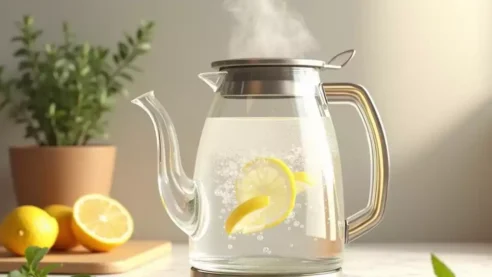
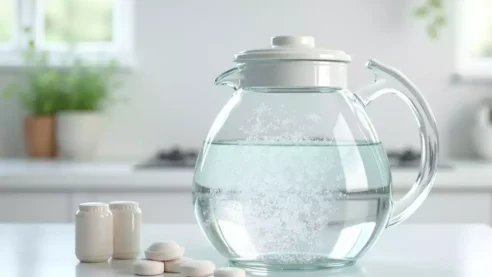
Causes of Glass Kettle Stains
Hard Water Minerals
Tea/Coffee Residue
Environmental Factors
Tea/Coffee Residue
Environmental Factors
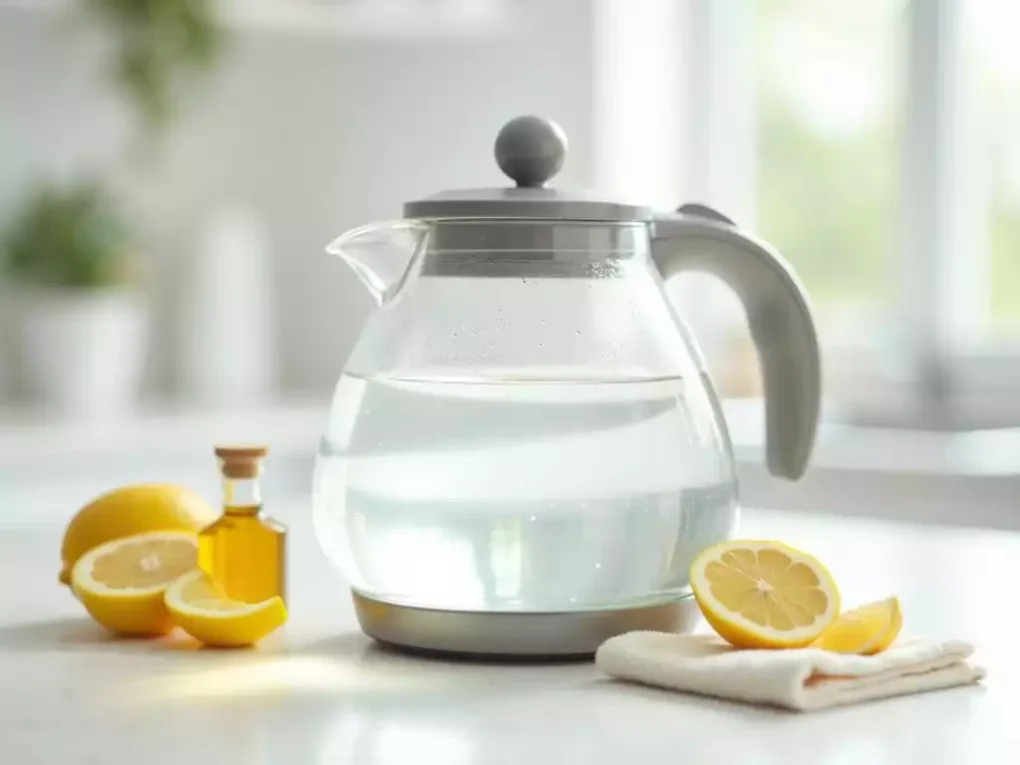
Did you know that hard water can lead to significant inefficiencies in your glass kettle? Understanding how to combat this issue can enhance both the longevity of your kettle and the quality of your beverages.
This visual summarizes the primary causes of stains in glass kettles and the negative effects of hard water and mineral buildup, highlighting key factors and their impact on efficiency and appearance.
@media (max-width: 768px) {
#kettle-visual-container section, #kettle-visual-container article {
flex-basis: 100% !important;
max-width: 100% !important;
}
}
Glass kettles are a beautiful addition to any kitchen, but they can quickly become stained. Understanding what causes stains in glass kettles is the first step toward maintaining their clarity and shine. Stains often arise from a combination of minerals found in water, remnants of boiled beverages, and environmental factors. Let’s dive into the primary culprits behind these pesky marks!
The main reason glass kettles develop stains is due to mineral buildup from hard water. Hard water contains high levels of calcium and magnesium, which can leave a chalky residue as the water evaporates. Additionally, tea, coffee, and other beverages can contribute to discoloration. Recognizing these causes can help you take proactive steps to keep your kettle looking its best.
By being aware of these factors, you can adjust your habits to minimize stains before they become a problem. For instance, using a good-quality water filter can significantly reduce mineral content, keeping your kettle cleaner for longer!
Hard water is a common issue faced by many households. It not only affects glass kettles but can also impact other appliances, leading to inefficiency over time. When minerals build up, they can create a barrier that prevents the kettle from heating efficiently. This can result in longer boiling times and increased energy consumption.
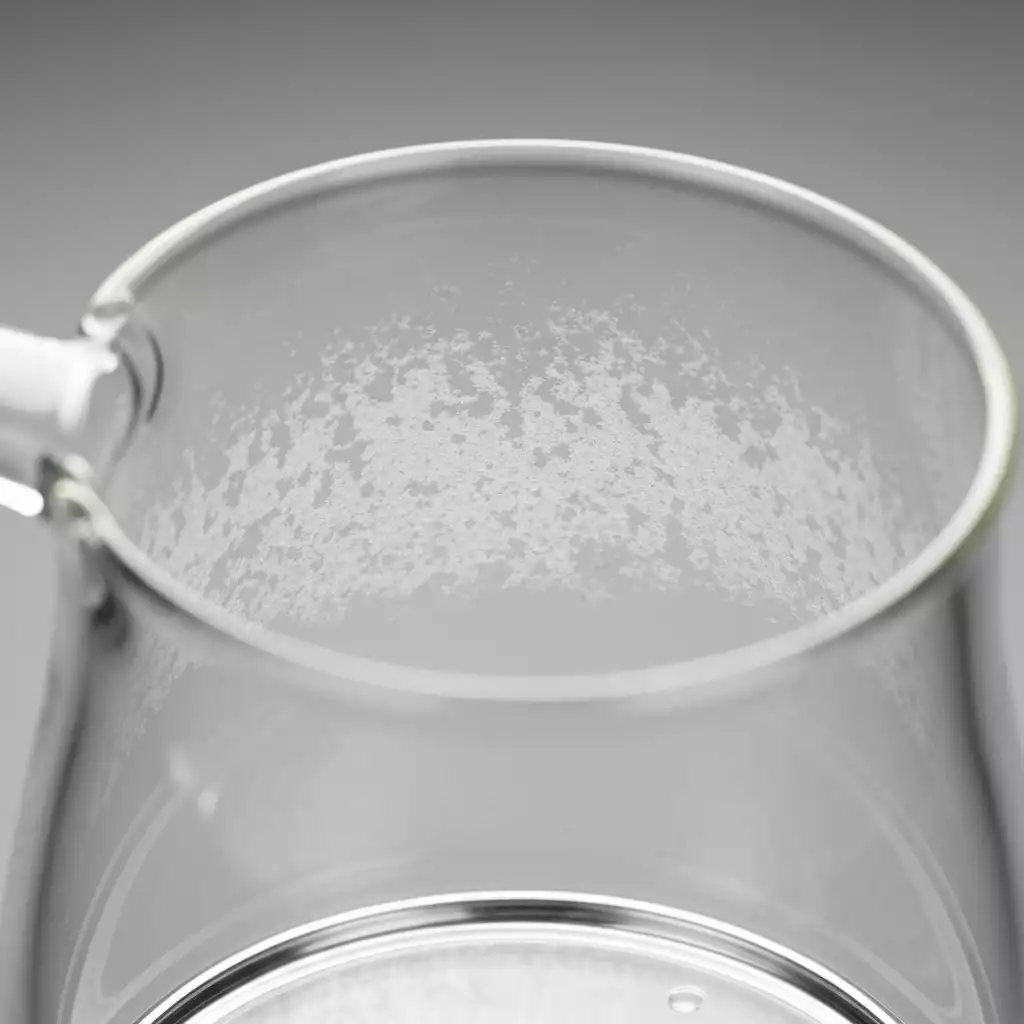
Understanding the effects of hard water can help you take meaningful actions. For example, investing in a water softener might be a worthwhile solution to explore, especially if you find yourself dealing with persistent stains.
Learning to recognize mineral buildup is essential for maintaining the clarity of your glass kettle. When you notice a white or cloudy residue, that’s a sign that minerals are accumulating. Not only does this buildup affect the aesthetic appeal of your kettle, but it can also compromise its functionality.
By regularly inspecting your kettle for these indicators, you can implement cleaning routines before the buildup becomes unmanageable. Consistency is key to ensuring your kettle stays clean and functional for years to come!
Did you know? Regularly descaling your glass kettle can significantly extend its lifespan and maintain its clarity. Consider using a mixture of equal parts vinegar and water, bringing it to a boil, and letting it sit for about 15-20 minutes. This simple routine can help dissolve stubborn mineral deposits!
A1: Stains in glass kettles are primarily caused by mineral buildup from hard water (calcium and magnesium), residue from tea and coffee, and environmental factors like dust.
A2: Hard water causes mineral deposits to accumulate, creating a barrier that reduces the kettle’s heating efficiency. This leads to longer boiling times and increased energy consumption.
A3: Signs of mineral buildup include a cloudy or white residue on the inner surface of the kettle, difficulty in achieving a full boil, and an increase in the time it takes for water to heat up.
A4: To prevent stains, use filtered water, empty the kettle after each use, limit the amount of water you boil to only what’s needed, and use natural cleaning agents like vinegar or citric acid for regular maintenance.
A5: Regular cleaning is recommended after each use to prevent residue buildup. For mineral deposits, descaling should be done monthly or as needed, depending on your water hardness. An annual deep clean is also beneficial for longevity.
As we wrap up our exploration of glass kettle care, it’s essential to remember that maintaining your kettle is not just about cleanliness; it’s about enhancing your overall brewing experience! A little attention goes a long way in keeping your kettle in pristine condition. By implementing the right strategies, you can enjoy clear, delicious water and a kettle that looks as good as new.
Preventing stains in your glass kettle involves consistent habits and the right cleaning techniques. Here are some key takeaways to keep in mind:
By incorporating these practices, you’ll not only prevent stains but also prolong the life of your kettle. Remember, a clean kettle means better-tasting beverages!
To ensure the longevity of your glass kettle, it’s vital to adopt healthy habits. Establishing a routine can make all the difference in maintaining your kettle’s performance. Here are some habits to consider:
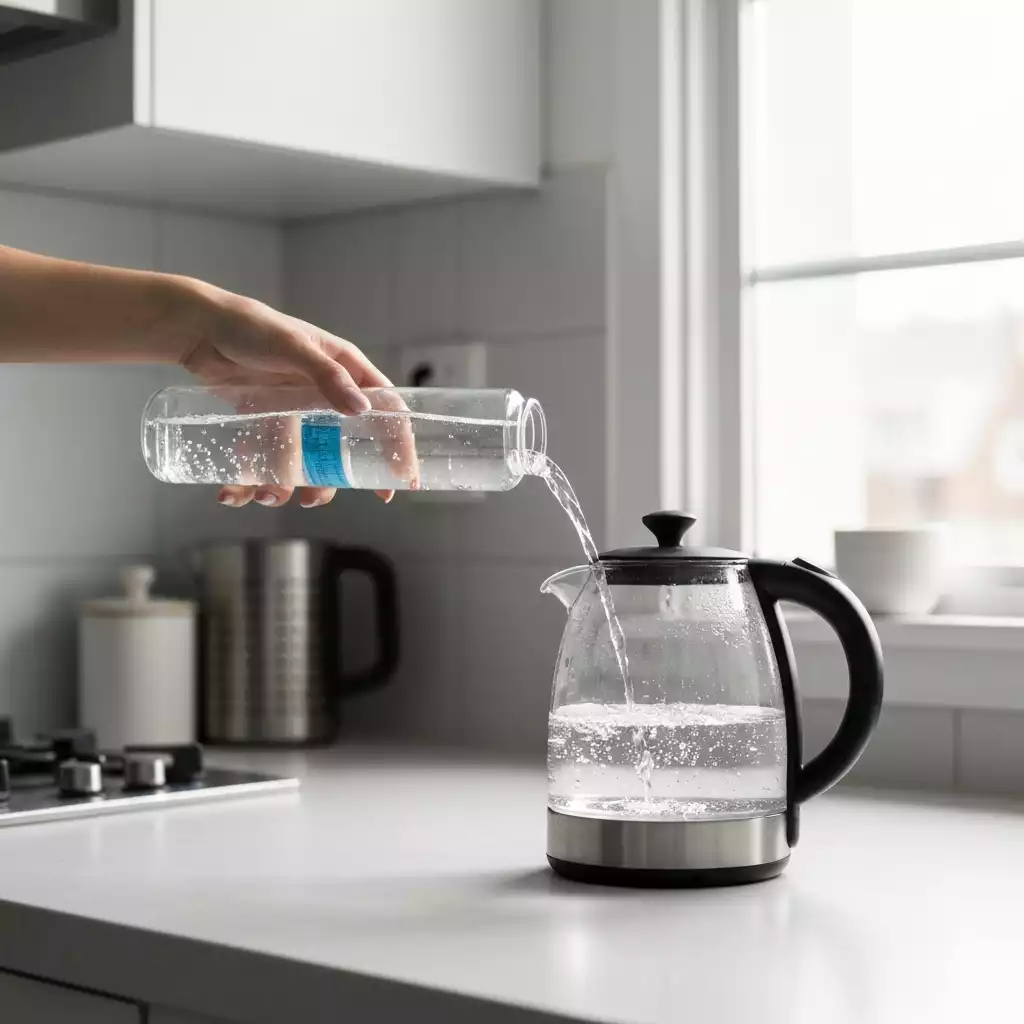
These simple habits can help you enjoy your kettle for years to come! I personally make it a point to check my kettle every month, and it has served me well!
I’d love to hear from you! As a community, we can learn so much from each other’s experiences when it comes to caring for our glass kettles. Sharing our tips not only helps individuals improve their cleaning routines but also builds a supportive network.
Have you discovered any unique methods or products that work wonders for your glass kettle? Whether it’s a specific cleaning solution or a daily habit, your insights might just inspire someone else to try something new!
Don’t forget to consider the quality of your local water supply! Hard water can wreak havoc on any kettle, so understanding its impact is crucial. Have you noticed how your kettle performs differently depending on the water you use? Let’s discuss!
Here is a quick recap of the important points discussed in the article: