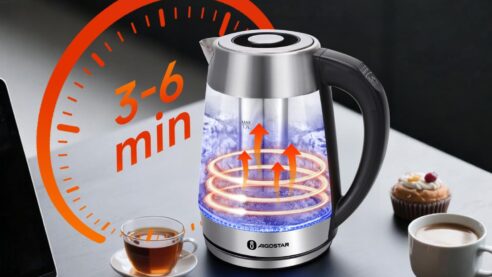
Pathogens Eliminated: Boiling’s Effectiveness
- Bacteria (E. coli, Salmonella)
- Viruses (Hepatitis A, Norovirus)
- Parasites (Giardia, Cryptosporidium)
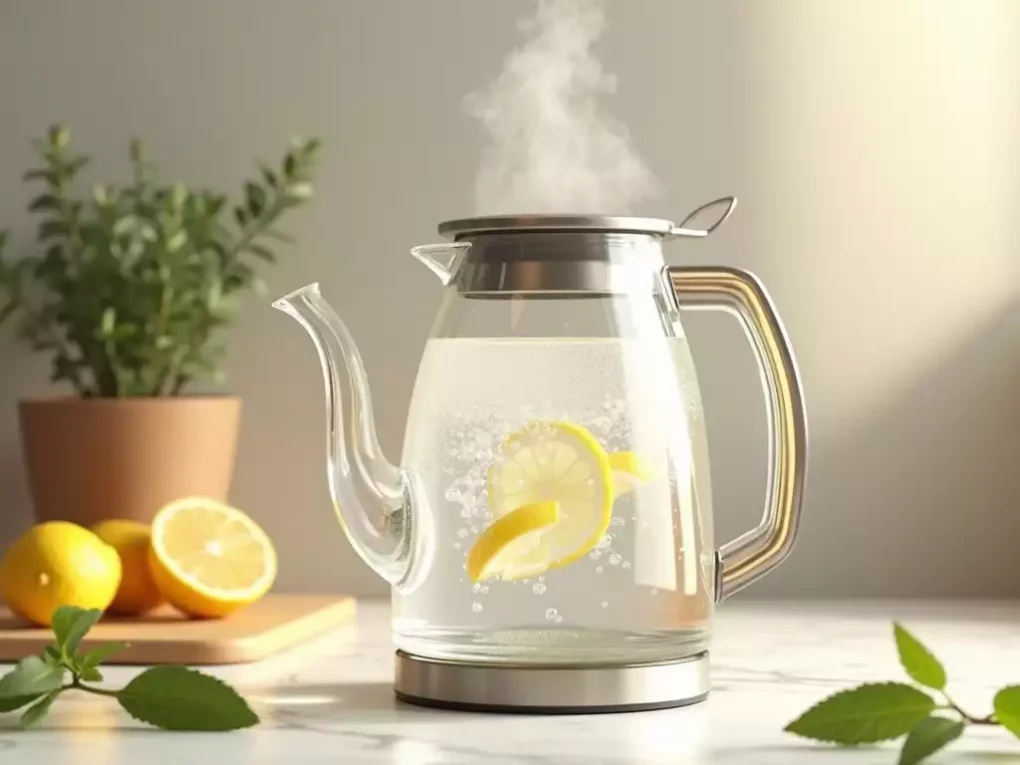
Boiling water is a time-tested method for ensuring safe drinking water, but how much do you really know about its effectiveness? Let’s explore the key lessons you can learn from this essential practice.
Boiling water is a fundamental method for ensuring safe drinking water. Below, we explore its effectiveness against pathogens, its limitations, and recommended practices.
Standard Elevation: 1 minute rolling boil.
High Elevation (>6,500 ft): 3 minutes rolling boil.
Boiling water is one of the oldest and most effective methods to ensure safe drinking water. It’s fascinating to think that just by heating water to its boiling point, we can eliminate a large number of harmful organisms that could spoil our health. Whether you’re camping in the woods or just concerned about the quality of your tap water at home, boiling is a reliable solution. Let’s dive deeper into how this simple process works.
When water reaches a temperature of 100°C (212°F), it creates an environment that most pathogens simply can’t survive in. While there are various purification methods out there, boiling is often the most accessible and dependable for many households. Understanding the science behind it is crucial for anyone aiming to ensure safe drinking water for themselves and their family.
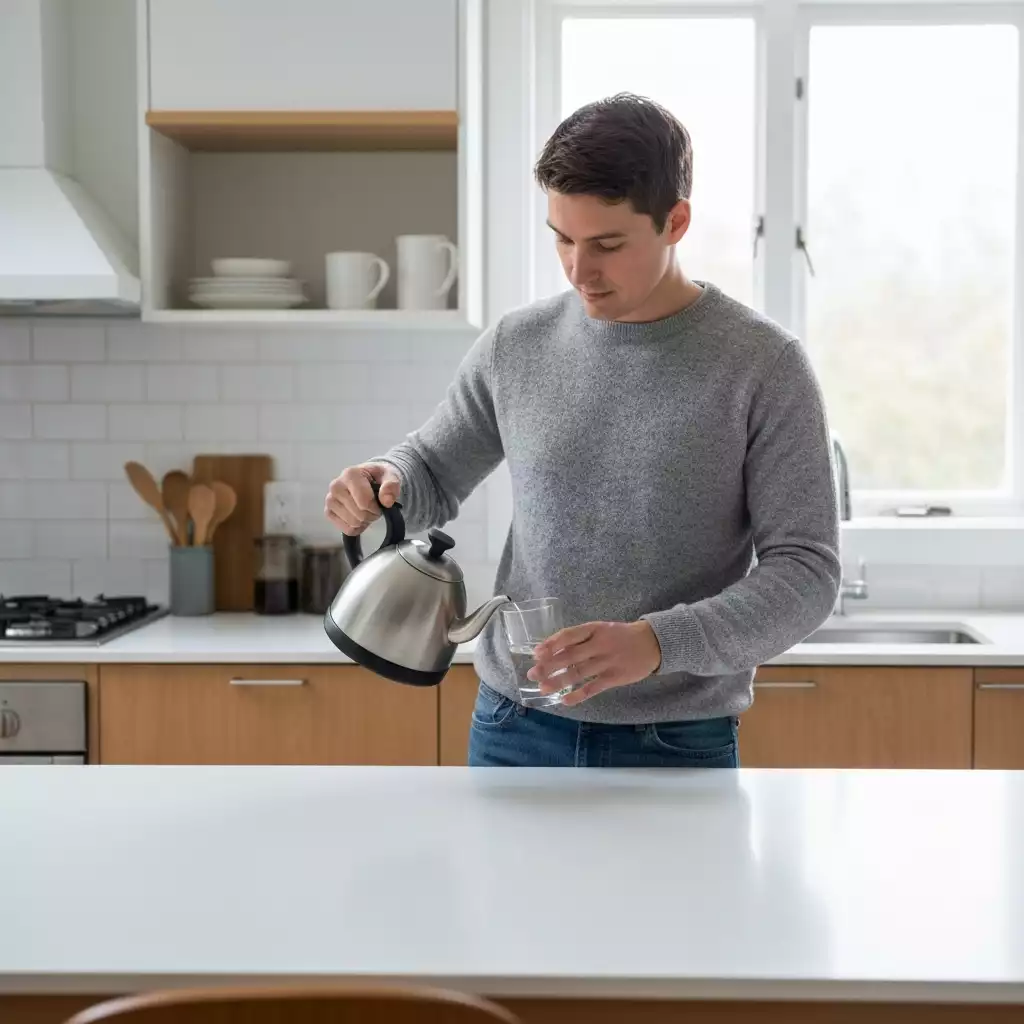
The science behind boiling water as a method for killing pathogens is quite straightforward. Most bacteria, viruses, and parasites are destroyed when exposed to high temperatures. This is particularly important because some of these pathogens can cause serious illnesses, especially in vulnerable populations like children, the elderly, or those with compromised immune systems.
By boiling water, we can effectively eliminate these harmful organisms, making it a crucial step in water safety. Just remember, while boiling is highly effective, it’s essential to combine this method with other water treatment practices for the best results.
When you boil water, you target a wide range of pathogens. The most common types include bacteria, viruses, and parasites. Each of these can pose significant health risks, particularly if you’re drinking untreated water. For example, bacteria like E. coli can cause severe gastrointestinal issues, while viruses like Norovirus are notorious for their contagiousness and impact.
Interestingly, while boiling is highly effective against pathogens, it’s important to note that some pathogens produce heat-resistant spores that can survive the boiling process. However, in general, boiling is a practical way to handle most common threats found in water. For further insights into how various water treatments affect pathogens, you can refer to research on water purification methods.
The recommended boiling time is crucial to ensure that all pathogens are effectively killed. For most situations, bringing water to a rolling boil for at least one minute is sufficient. However, if you’re at higher elevations (above 6,500 feet), it is advised to extend the boiling time to at least three minutes. This adjustment accounts for the lower boiling point of water at altitude.
Taking the time to ensure that your water is boiled for the appropriate duration can make a significant difference in the safety of your drinking water. It’s a simple yet essential practice that everyone should incorporate, especially if you’re unsure of your water source.
While boiling water is a fantastic method for killing pathogens, it does have its limitations. One of the most significant drawbacks is that it does not remove certain chemicals or heavy metals that may be present in the water. For instance, contaminants like lead or pesticides can remain in boiled water, which can be a concern for many households.
Understanding these limitations is key to ensuring that you’re not just relying on boiling as your only method of water purification. Depending on your water source, additional filtration methods may be necessary to provide truly safe drinking water.
An interesting phenomenon occurs during boiling: while pathogens are killed, some chemicals and heavy metals can become concentrated as the water evaporates. This means that while you’re effectively killing biological threats, you may inadvertently be increasing the concentration of harmful substances in your water. This is particularly relevant for those who have concerns about contaminants in their municipal water supply.
To mitigate this issue, consider using a water filter before boiling, or explore other purification methods that can address both pathogens and chemical contaminants. Awareness of these factors will empower you to make informed decisions about your water safety.
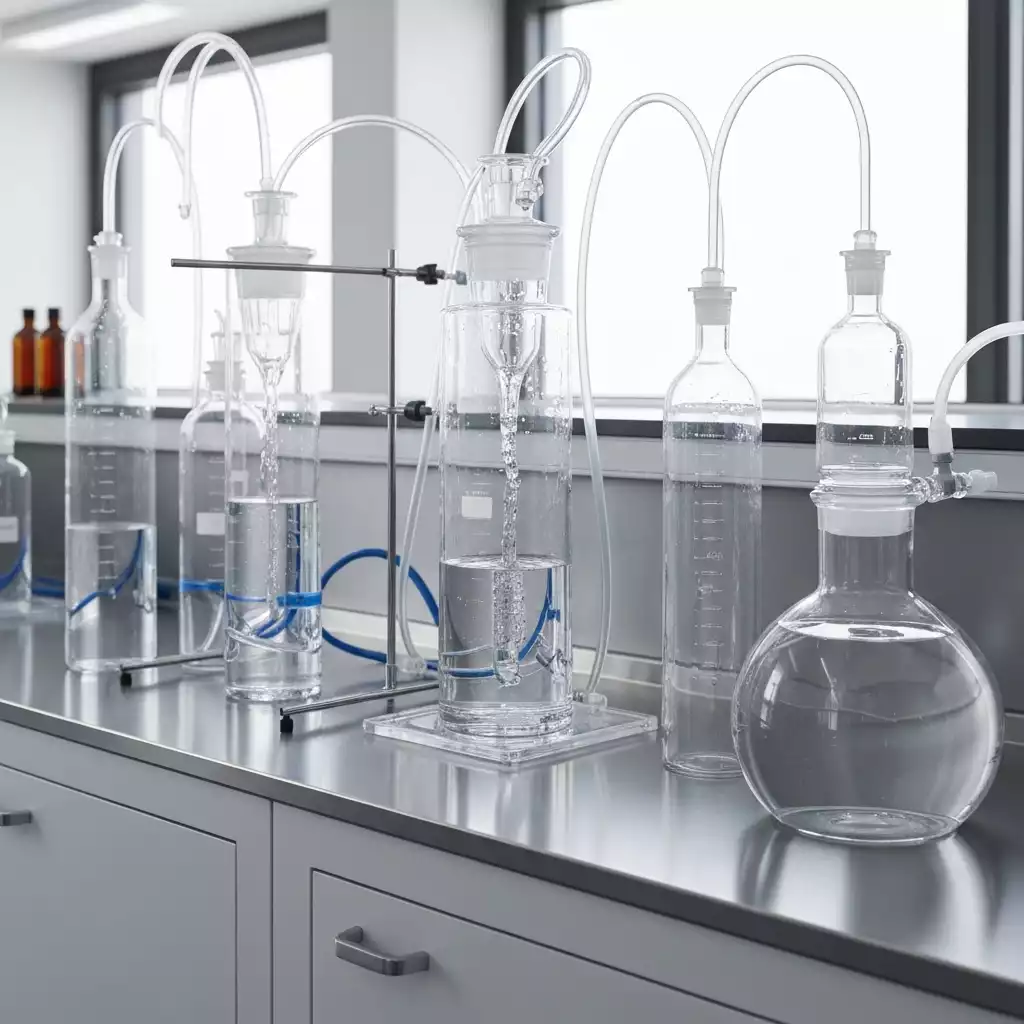
Have you ever noticed that boiled water can taste a bit flat? This is largely because boiling removes dissolved gases, which can impact the flavor of the water. The absence of oxygen and other gases can lead to a less refreshing taste, making the water feel lifeless. If you’re used to drinking fresh water, this can be quite a noticeable difference!
Fortunately, there are simple ways to enhance the taste of boiled water, such as letting it cool and then shaking it in a bottle to reintroduce air. Being mindful of these aspects can help you enjoy your drinking water more fully! For more information on the effects of temperature on water and debunking common myths, you can check out resources like UVA Health’s insights on warm water.
Did you know? To further enhance the safety and taste of your boiled water, consider using a water filter before boiling. This additional step can help remove harmful chemicals and improve the overall flavor, ensuring you have both safe and pleasant-tasting drinking water.
In summary, boiling water is a reliable method for ensuring its safety and purity. It effectively eliminates harmful pathogens, making it a practical solution for many households. However, it’s essential to remember that while boiling water can kill bacteria and viruses, it does not remove certain chemicals or heavy metals. Understanding these limitations is crucial to ensuring your family has access to clean and safe drinking water.
As we discussed, boiling is not a one-size-fits-all solution. It’s important to weigh the benefits against the limitations. For instance, while boiling is great for eliminating biological contaminants, it may not address chemical pollutants. This means that in some cases, additional filtration methods may be necessary to guarantee the quality of your drinking water.
Here’s a quick recap of the key points regarding boiling water:
It’s crucial to remain informed about the conditions under which boiling water is most effective. By understanding both its strengths and weaknesses, you can make better choices for your family’s health. Remember, boiling is just one part of a comprehensive approach to water safety!
We’d love to hear from you! Sharing your personal experiences with boiling water can help others understand its practical applications better. Whether you have tips and tricks for achieving the perfect taste or challenges you’ve faced, your insights will contribute to our community knowledge.
Here are some tips that can enhance your water boiling experience:
With these tips, you can enjoy boiled water that’s not just safe but also delicious! We’re excited to hear your thoughts and any additional tips you might have to share. Let’s create a healthier, informed community together!
Here is a quick recap of the important points discussed in the article: