Kettle Lid Won’t Close
If your kettle lid won’t close properly, you’re right to pause before boiling again. About 40,000 Wolfgang Puck Stainless Steel Petite Tea Kettles were recalled over a lid defect that created a burn hazard, showing how serious a simple lid issue can become.
In this guide, we’ll walk through why kettle lids stop closing, how to fix common problems at home, and when it’s safer to retire the kettle and choose a better designed replacement.
Key Takeaways
| Question | Short Answer |
|---|---|
| Why does my kettle lid suddenly not close? | Usually due to mineral scale, warped metal or plastic, or a misaligned hinge or latch. Electric models like the OXO Brew Cordless Glass Electric Kettle rely on tight-fitting lids for safe operation. |
| Is it safe to boil water when the lid won’t shut? | It can increase risks of splashing, steam burns, and auto shut-off failure, especially in stainless steel electric designs discussed in guides like the Stainless Steel Kettle Buying Guide 2026. |
| Can limescale really stop a kettle lid closing? | Yes. Scale can build on the rim, hinge, or under the lid. Regular cleaning routines recommended for models such as the COSORI Glass Electric Kettle help prevent this. |
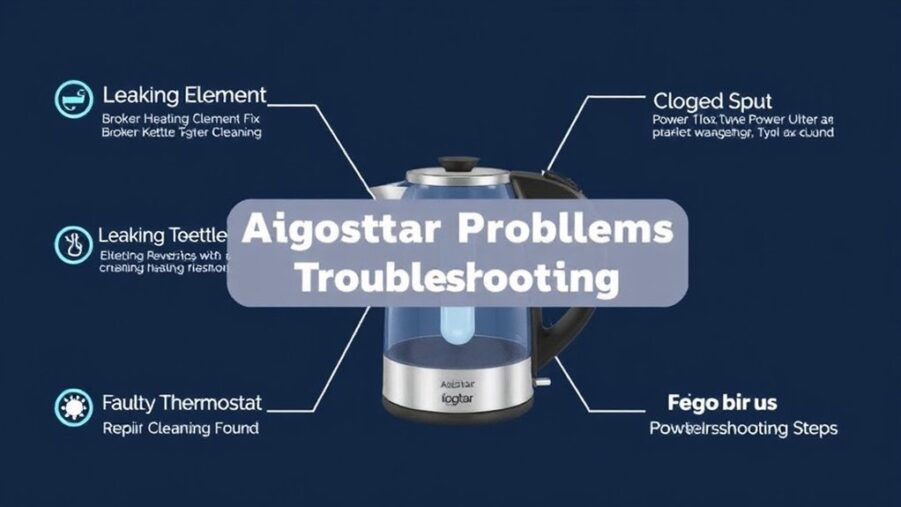
| What if the lid hinge or knob is loose or broken? | Tighten screws if possible; otherwise you may need parts or a new kettle. Troubleshooting resources like Aigostar Kettle Problems Troubleshooting show how manufacturers expect these issues to be handled. |
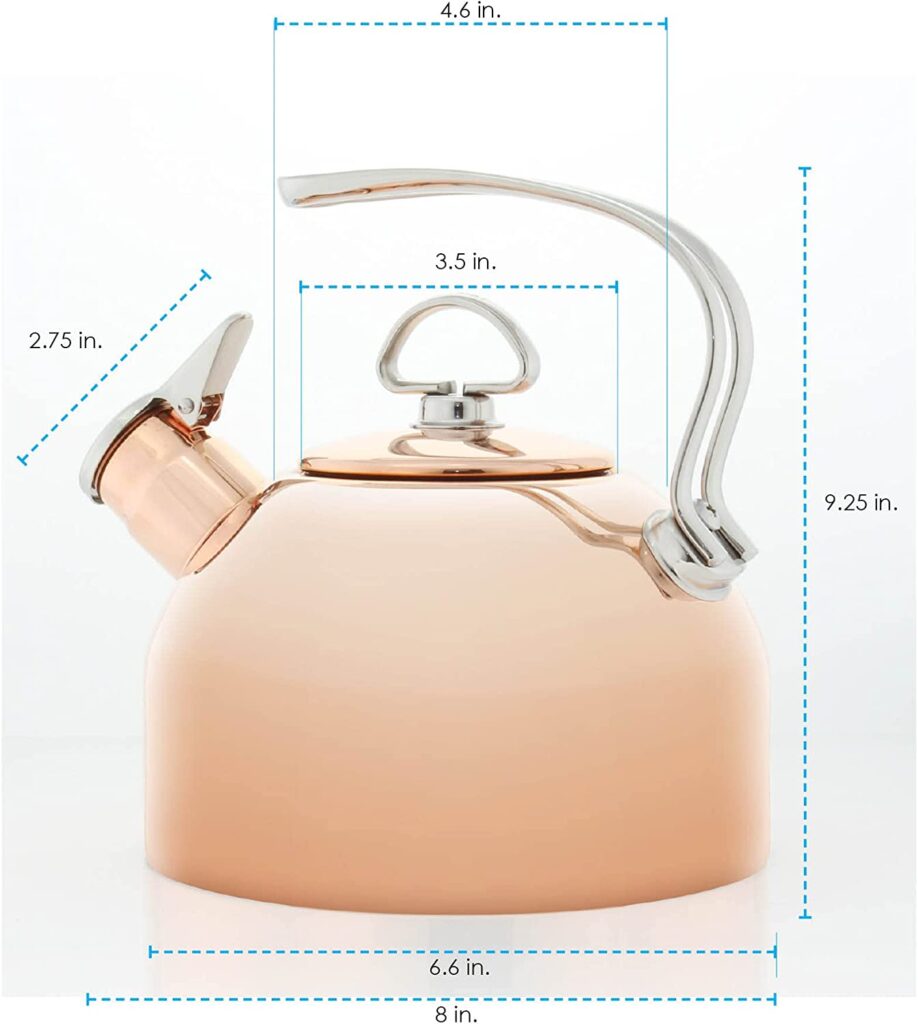
| How do I pick a kettle with a more reliable lid? | Look for solid stainless steel hinges, soft-open mechanisms, and sturdy handles like those on the DEZIN Electric Kettle or copper designs such as the Chantal Tea Kettle Copper. |
| Do whistling kettles depend on a fully closed lid? | Yes. The whistle relies on steam pressure with a sealed lid, which is why many people look at options in Best Whistling Kettles when older lids stop sealing properly. |
1. Why a Kettle Lid That Won’t Close Is a Bigger Problem Than It Looks
A kettle lid that doesn’t shut might seem like a minor annoyance, but it directly affects safety, boiling performance, and the life of the appliance.
Steam escaping from gaps can make handles and surrounding surfaces hotter and may interfere with auto shut-off mechanisms in electric models.
On stovetop kettles, a lid that won’t seal can stop the whistle from sounding and increase the chance of sloshing water if the kettle is moved.
Over time, forcing a stubborn lid can bend metal rims, crack plastic, and lead to leaks or unexpected lid detachment while pouring.
Common Ways Lid Problems Show Up
- Lid sits crooked and leaves a visible gap.
- Hinge feels stiff, squeaky, or misaligned.
- Push-button or flip mechanism doesn’t fully lock.
- Whistling kettles stop whistling unless you press the lid down by hand.

2. Quick Safety Check: When to Stop Using a Kettle With a Faulty Lid
Before trying any fixes, decide whether the kettle is still safe to use. If the lid won’t close at all or pops open during boiling, it’s better to unplug or remove it from the heat until you’ve inspected it carefully.
Look closely for sharp edges, cracks, or loose parts that could detach with hot water or steam. Boiling with a partially open lid can also cause water to boil longer than expected, raising the risk of dry boiling in electric kettles that rely on lid-locked sensors.
Red-Flag Signs to Stop Using the Kettle
- Lid or hinge has visible cracks, especially near screws or rivets.
- Plastic parts have warped or melted.
- The lid detaches completely when tilted or pouring.
- You need to hold the lid down manually for it to stay shut.

3. Simple Cleaning Fixes: Limescale and Debris Blocking the Lid
One of the most common reasons a kettle lid won’t close is build-up on the rim or under the lid. Hard-water limescale can leave a rough, chalky ring that physically prevents the lid from seating correctly, especially on glass-and-steel hybrids like the COSORI and OXO Brew designs.
Food debris, tea leaves, or mineral flakes can also lodge in hinges or push-button mechanisms. A careful cleaning often restores normal lid operation with no tools required.
Step-by-Step Cleaning Routine
- Unplug and cool. Ensure the kettle and lid are completely cool.
- Wipe the rim. Use a damp cloth to clean the rim where the lid meets the body.
- Descale the lid area. Apply a mix of equal parts white vinegar and water to stubborn scale on the rim and underside of the lid.
- Scrub gently. Use a soft brush or non-scratch sponge, especially around hinges and seals.
- Rinse and dry. Rinse thoroughly and dry before testing the lid again.
4. Inspecting Hinges, Springs, and Push-Button Mechanisms
If cleaning doesn’t help and your kettle lid still won’t close, the next suspects are mechanical parts like hinges, springs, and buttons.
Many electric and whistling kettles use spring-loaded lids or trigger handles that can jam if slightly bent or if a screw works loose.
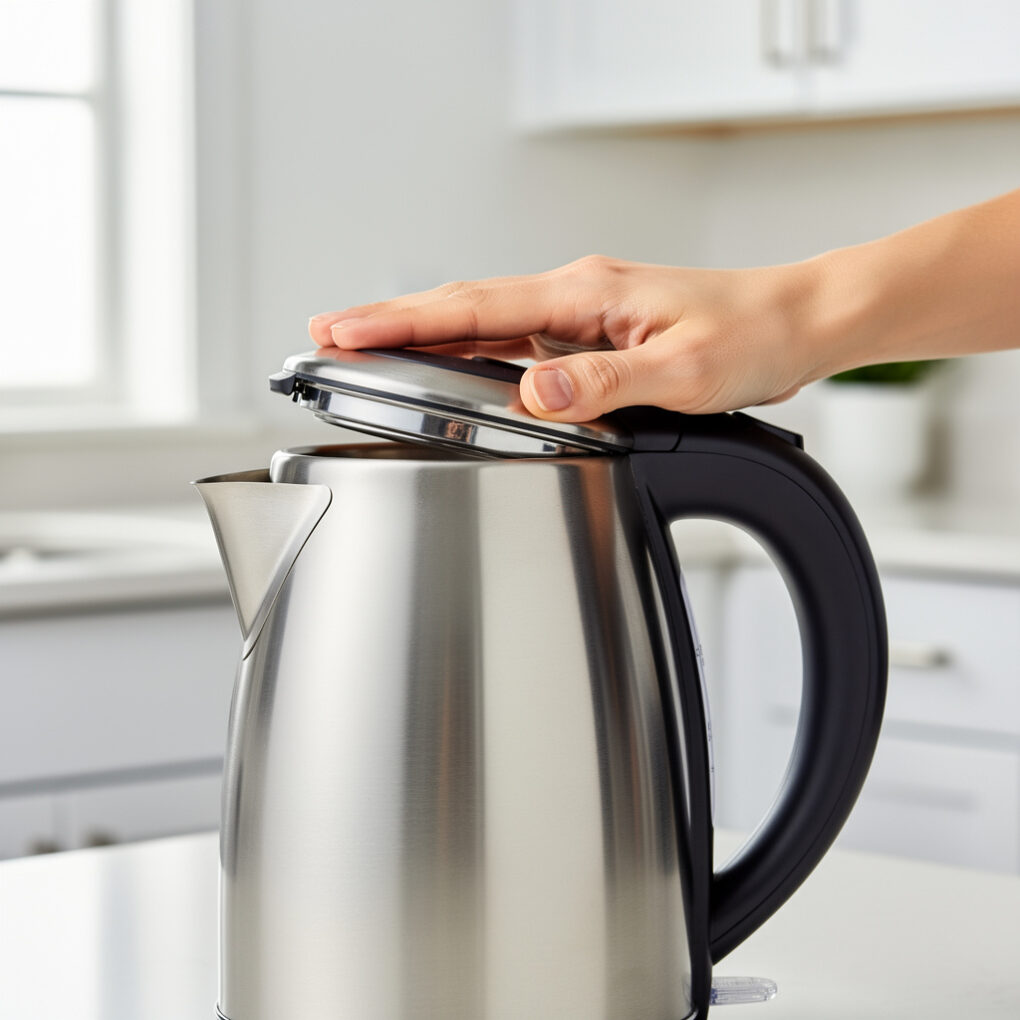
Gently open and close the lid while watching the hinge from the side. If it shifts sideways, scrapes the body, or doesn’t travel smoothly, something may be out of alignment.
How to Check and Adjust
- Check screws or rivets: Tighten any accessible screws holding the hinge or handle, but don’t overtighten.
- Test the spring: If the lid is supposed to open softly, make sure the spring isn’t broken or missing.
- Look for bent metal: A small bend at the hinge bracket can stop the lid from sitting flat.
- Operate the button repeatedly: Sometimes repeated movement after cleaning frees up a sticky mechanism.
5. Warped Lids and Rims: Heat Damage and Material Fatigue
Repeated exposure to high heat can warp thin metal or plastic parts, particularly on stovetop kettles that are left empty or nearly empty over a hot burner.
When either the rim of the kettle or the lid itself becomes slightly oval-shaped, the lid may rock, snag, or refuse to shut.
You might notice that your lid used to fit perfectly but now only closes on one side, or there’s a visible gap opposite the hinge. Warping is often permanent and can be hard to fix safely at home.
What You Can (and Can’t) Do About Warping
- Mild warping: In some cases, very gentle hand pressure just to realign a bent tab or flange can help, but proceed cautiously.
- Severe warping: If the whole lid or rim is distorted, it’s usually better to replace the kettle.
- Prevention: Avoid leaving any kettle boiling dry or on high heat longer than needed, and follow manufacturer instructions about maximum heat levels.
6. Electric Kettles: Why a Properly Closed Lid Matters Even More
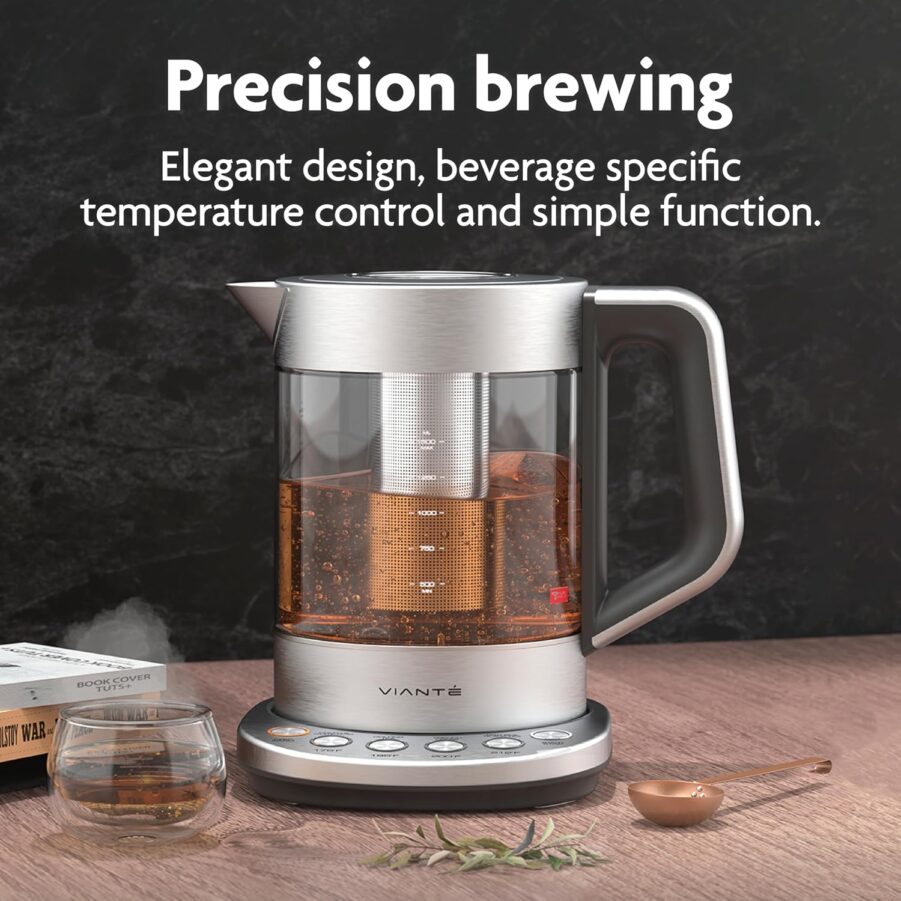
In electric kettles, the lid does more than just keep heat in. Many models are designed so that steam circulation and internal temperature rise trigger auto shut-off, and a lid that won’t close may interfere with these safety functions.
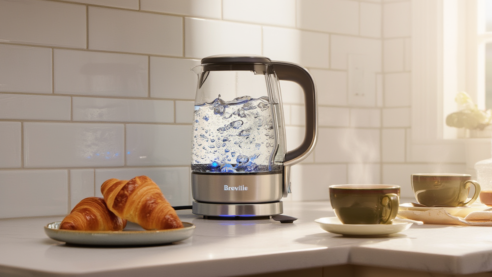
Designs like the OXO Brew Cordless Glass Electric Kettle (1.75 L borosilicate glass body) and the COSORI Glass Electric Kettle use stainless steel lids and filters to minimize plastic contact and keep the boiling environment controlled. A lid that stands ajar can change how steam flows across sensors or vents.
Checking Electric Lids and Handles
- Examine the area where the lid meets the plastic or stainless steel collar around the top.
- Make sure no melted plastic has flowed into the hinge area.
- Ensure that the lid’s soft open feature isn’t jammed halfway.
- Never tape or wedge a lid shut; it can interfere with built-in safety systems.


7. Stovetop and Whistling Kettles: Lids, Whistles, and Steam Paths
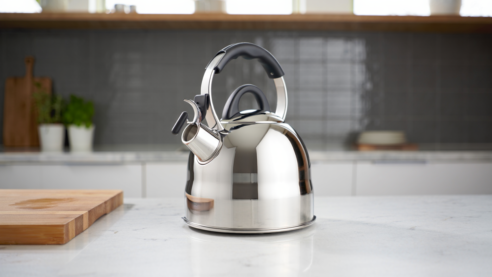
On stovetop and whistling kettles, the lid and spout cap work together to control steam flow. If the lid won’t fully close, you may lose the characteristic whistle, and steam may vent directly around the rim instead of through the spout.
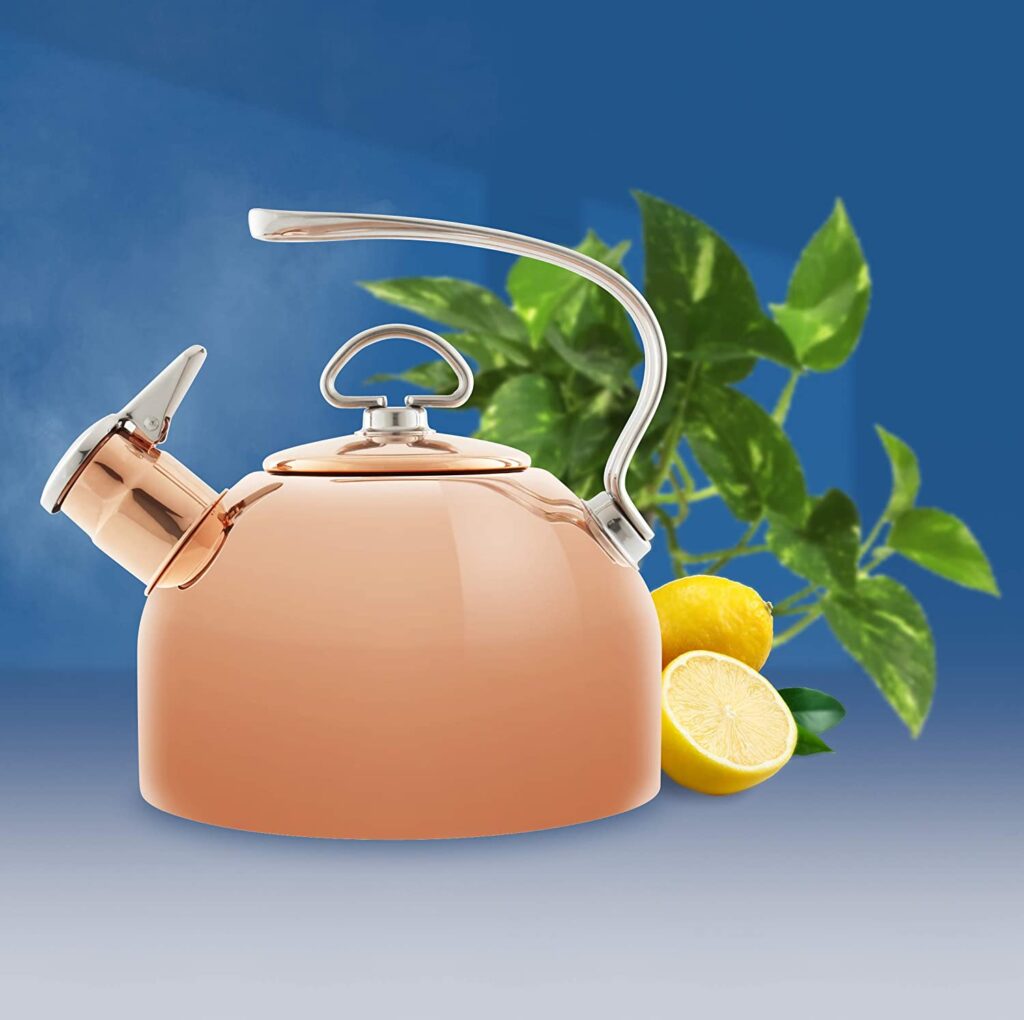
A copper model like the Chantal Tea Kettle Copper, which pairs an ergonomic handle with a snug stainless steel interior, depends on a properly fitted lid and spout cap to boil predictably and pour cleanly.
When lids loosen over time, many users notice rattling or steam escaping from unexpected places.
Diagnosing Whistling Kettle Lid Issues
- Check that the lid lip and inner rim are free from dents or chips.
- Ensure the whistle cap on the spout fully seats; sometimes the issue is there, not at the lid.
- Confirm that the handle doesn’t interfere with the lid closing on one side.
- Listen for new rattling sounds as the water reaches a boil; they often point to a loose lid.
8. When the Kettle Lid Won’t Close Because of Design or Wear
Sometimes, the problem isn’t dirt or a one-time mishap; it’s just that certain lid designs wear out or were never especially robust.
Frequent opening and closing, dropping the lid, or lifting the kettle by the lid instead of the handle can all shorten its life.
Cheaper lids may rely on thin tabs of metal or plastic to snap into place, and once those tabs round off, they no longer grab securely. In these cases, home fixes are usually temporary at best.
Signs It’s a Design/Wear Issue, Not Just Damage
- Lid or latch feels mushy and won’t snap or click into place anymore.
- The problem worsened gradually, not after a single event.
- Similar complaints appear in user reviews for the same model.
- The manufacturer doesn’t offer replacement lids or hinges, only full units.

9. Repair vs Replace: Is It Worth Fixing a Kettle Lid That Won’t Stay Shut?
Once you’ve cleaned, inspected, and tested the hinge and the lid still won’t close, you have a decision to make.
Because kettles constantly handle boiling water and steam, any DIY repair has to be sturdy enough to handle daily use without coming loose.
If your kettle was inexpensive, replacement is often the safer and more cost-effective route. For higher-end designs or gifts, check whether the brand offers replacement lids or a repair program before giving up.
Questions to Ask Before Repairing
- Is the kettle still under warranty? Many brands provide 1/2 years of coverage.
- Are spare parts available? Some manufacturers sell lids, gaskets, or handles separately.
- What would a comparable replacement cost? For example, the Dmofwhi 1000W Gooseneck Electric Kettle offers a sturdy stainless steel lid and body for around $39.99.
- Could a failed repair create a burn or spill risk? If yes, replacing is usually the better choice.
10. Choosing a New Kettle With a Better Lid Design
If you’ve decided to replace a kettle because the lid won’t close, it’s a good time to prioritize lid quality in your next purchase. Pay attention to how the lid attaches, what material it uses, and whether users report long-term reliability.
Stainless steel lids with solid hinges, like those on the DEZIN Electric Kettle or premium copper kettles, generally age better than very thin snap-on plastic covers.
Glass-and-stainless hybrids such as the COSORI and OXO Brew models often combine visibility with durable metal lid components.
Features to Look For in a Robust Kettle Lid
| Feature | Why It Helps |
|---|---|
| Metal hinge (stainless steel) | Resists warping and loosening over time. |
| Soft-open or damped lid mechanism | Reduces stress on the hinge and avoids sudden slams. |
| Wide, comfortable handle not attached to lid | Discourages lifting the kettle by the lid, preventing damage. |
| BPA-free construction with metal inner lid | Helps maintain structural integrity near boiling water. |
11. Everyday Habits to Prevent Kettle Lid Won’t Close Problems
Once you have a kettle with a properly working lid, a few simple habits can help keep it that way. Most lid failures are a combination of hard water buildup, rough handling, and prolonged exposure to high heat.
Treat the lid as a precision part rather than a handle, and give it the same regular cleaning attention as the interior of the kettle.

Practical Prevention Tips
- Descale your kettle regularly, especially around the rim and lid underside.
- Always lift the kettle by the main handle, not by the lid knob.
- Avoid slamming the lid shut; let soft-open mechanisms work as intended.
- Don’t leave a dry kettle on a hot burner or base longer than necessary.
- Check hinges and screws occasionally and tighten gently if needed.
Conclusion
A kettle lid that won’t close is more than an inconvenience; it affects safety, performance, and the reliability of your daily boiling routine.
In many cases, careful cleaning around the rim, hinge, and underside of the lid is enough to restore a snug fit, but warped parts, worn mechanisms, or design weaknesses may mean it’s time to replace the kettle.
By understanding how lids are built, watching for early warning signs, and choosing models with robust stainless steel or copper construction, you can avoid recurring kettle lid won’t close problems.
Whether you repair or replace, prioritizing a secure, well-designed lid helps keep every boil predictable, efficient, and safer to handle.