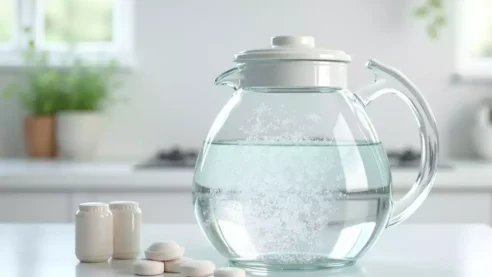
Understanding the Risks of Plastic & BPA
- BPA Exposure: Linked to reproductive & hormonal issues.
- Other Chemicals: Many plastics contain harmful phthalates.
- Degradation: Plastic breaks down, contaminating water.
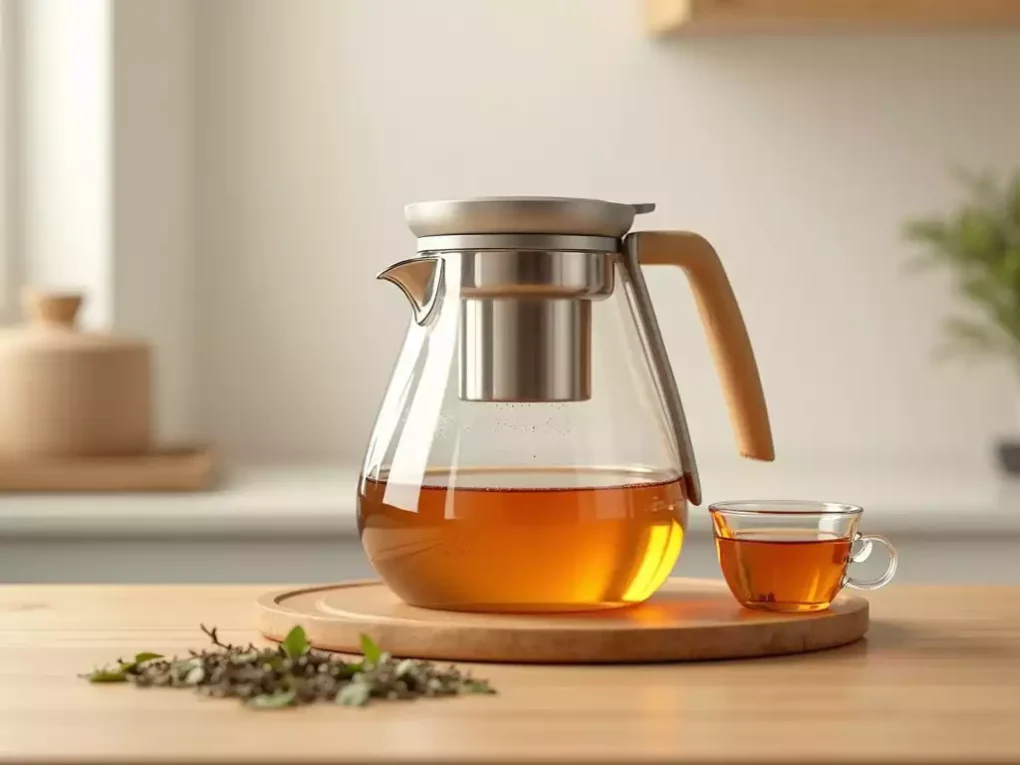
Did you know that the materials you use for boiling water can significantly impact your health? The switch to Plastic Free Kettles isn’t just a a trend; it’s a necessary step towards a safer kitchen environment.
Discover why choosing a plastic-free kettle is a vital step towards a healthier and more sustainable kitchen environment.
As a passionate advocate for health and sustainability, I often emphasize the importance of choosing plastic-free kettles for your kitchen. Many people may not realize the potential risks associated with plastic kettles, especially those containing harmful chemicals like BPA.
These substances can leach into your drinking water when heated, posing serious health concerns over time. For more information on the health implications of plastics, you can consult resources such as the CDC’s topic page on plastics.
When considering what you use to boil water, it’s crucial to be aware of these health risks. The long-term effects of exposure to these toxic chemicals can accumulate, leading to various health issues.
This is why opting for plastic-free options isn’t just a trend; it’s a vital step toward ensuring your home environment is safe and healthy.
Plastic kettles, while convenient, often come with unexpected dangers. One of the primary concerns is the presence of BPA (bisphenol A), a chemical found in many plastics.
Studies have shown that BPA can disrupt hormonal balance and may lead to serious health problems, as detailed in research available from the National Institutes of Health. The risk is even higher when the kettle gets hot, making it essential to consider alternatives.
By choosing plastic-free kettles, you can significantly minimize these health risks. Stainless steel and glass kettles are not only safer but also offer longevity that plastic simply cannot match.
Switching to non-toxic materials like stainless steel and glass provides several compelling advantages. First and foremost, these materials are highly durable, ensuring that your kettle will withstand the test of time. Unlike plastic, they won’t warp or degrade, maintaining their safety and functionality.
Moreover, many users find that using a stainless steel or glass kettle enhances the flavor of their tea or coffee. This simple switch not only improves your health but also elevates your daily experience!
In recent years, eco-friendly kettle options have gained popularity, particularly those made from bamboo and other sustainable materials. Bamboo is not only a renewable resource but also lightweight.
When selecting a plastic-free kettle, consider investing in one with an insulated handle. This feature not only enhances safety by preventing burns but also improves energy efficiency by retaining heat longer. Your morning tea or coffee can be brewed to perfection while ensuring maximum comfort!
Frequently Asked Questions About Plastic-Free Kettles
As we wrap up our exploration of plastic-free kettles, it’s essential to recap the main benefits and features that have been highlighted.
Choosing kettles made from materials like stainless steel and glass not only enhances your kitchen’s aesthetic appeal but also promotes health and safety.
We’ve seen how these non-toxic options eliminate concerns related to BPA and other harmful chemicals found in plastic kettles, including substances like PFAS, as explained by the EPA.
In our reviews, we emphasized various electric and stovetop models that excel in durability, performance, and design.
From the sleek lines of the Fellow Stagg EKG to the robust build of the Breville Smart Kettle, each product offers something unique for every tea lover.
These key points reinforce the idea that investing in a plastic-free kettle is a step towards a healthier kitchen environment. With so many great options available, it’s easier than ever to make a choice that aligns with your personal values!
Now that you have a comprehensive understanding of the benefits of plastic-free kettles, it’s time to consider your specific needs and preferences. Are you an avid tea drinker who values precise temperature control, or do you prefer the simplicity of a stovetop kettle? Whatever your style, there’s a perfect kettle waiting for you!
To assist you in your purchasing journey, I’ve included some affiliate links below where you can find the kettles we reviewed. Remember, choosing the right kettle not only elevates your brewing experience but also contributes to a healthier lifestyle.
Here are some affiliate links to explore:
I’d love to hear from you! Have you made the switch to a plastic-free kettle? What differences have you noticed in your tea or coffee drinking experience?
Please leave your comments below and share your journey towards a healthier kitchen! Your insights could help others in the community make informed decisions too.
Here is a quick recap of the important points discussed in the article: