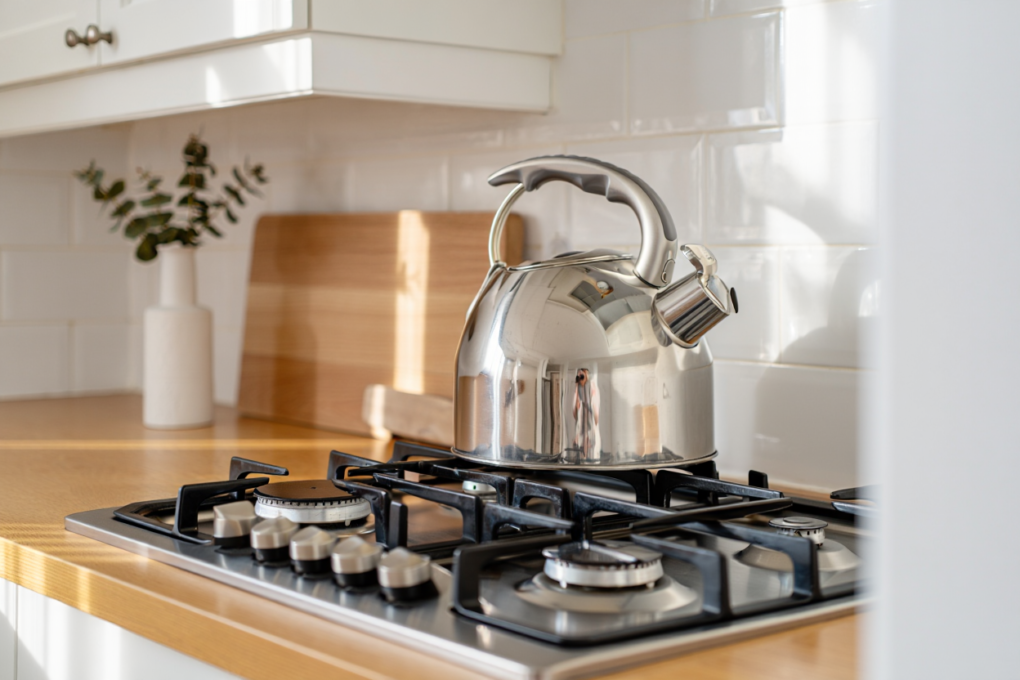
Stainless Steel Kettle Buying Guide
Stainless steel kettles have become the default choice in many homes, and for good reason: in 2024, stainless steel models made up an estimated 45.8% of the entire global electric kettle market, outpacing plastic and glass by a wide margin.
Whether you prefer a classic whistling kettle on the stove or a precise electric gooseneck for pour-over coffee, understanding stainless steel options helps you buy once and use confidently for years.
Key Takeaways
| Question | Short Answer |
|---|---|
| 1. Are stainless steel kettles better than plastic? | Stainless steel kettles are generally more durable, resist staining and odours, and avoid contact with many plastics. You can compare options in detail at this stainless steel electric kettle guide. |
| 2. What price range should I expect? | Basic stainless steel kettles start under $40, such as the Dmofwhi 1000W Gooseneck at $39.99, while premium designer or variable-temperature models cost more. For budget comparisons, see the Mueller Ultra Kettle overview. |
| 3. Should I get a stovetop or electric stainless steel kettle? | Electric kettles heat faster and often include auto shut-off, while stovetop models are simple, long-lasting, and work on gas or induction. A full comparison is available in this guide on the best stainless steel stovetop kettles. |
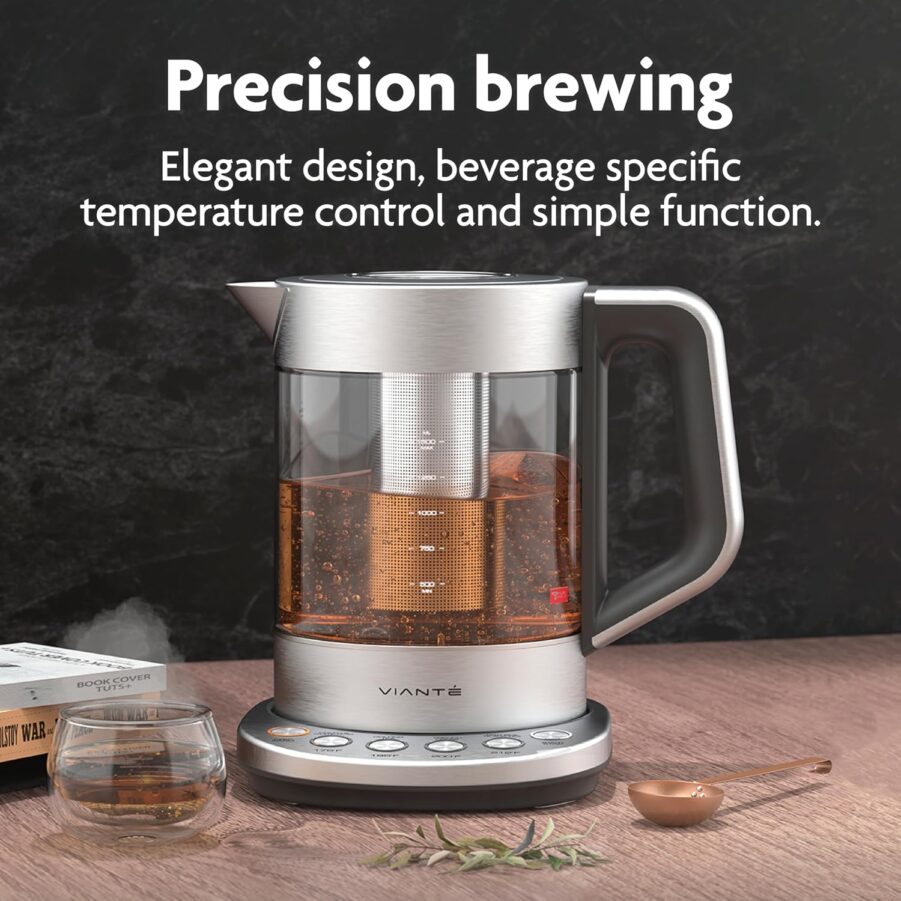
| 4. How do I choose the right capacity? | For 1/2 people, 1.0/1.2 L is usually enough. For families or regular guests, look at 1.6 L and above, like the 1.6 L Stainless Steel Viante Kettle. |
| 5. How do I clean a stainless steel kettle properly? | Most limescale can be removed with simple descaling routines. For detailed, step by step instructions, refer to this cleaning guide for stainless steel kettles. |
| 6. Are replacement parts available for stainless steel kettles? | Many brands offer spare handles, lids, and switches. A good example is Aigostars support, summarized in the Aigostar kettle replacement parts guide. |
| 7. How much energy does an electric stainless steel kettle use? | Usage depends on wattage and how much water you boil. Practical consumption tips are covered in the Aigostar kettle energy consumption article. |
1. Why Stainless Steel Kettles Are So Popular Today
Stainless steel has become the material of choice in modern kettles because it balances durability, appearance, and practicality. It resists rust, tolerates repeated heating, and usually cleans up more easily than plastic or enamel surfaces.
For everyday use, a stainless steel kettle offers a neutral taste, no lingering flavors, and a solid feel on the countertop or stove.
Whether you prefer glass-and-steel hybrids or full metal designs, stainless steel components in the interior, spout, and heating base are now standard in quality models.

2. Electric vs. Stovetop Stainless Steel Kettles: Which Fits Your Kitchen?
Choosing between an electric stainless steel kettle and a stovetop model mostly comes down to speed, control, and your cooking setup. Electric kettles plug into any outlet, heat quickly, and often include automatic shut off and boil dry protection.
Stovetop stainless steel kettles, on the other hand, are simple, durable, and compatible with gas, electric, and many induction cooktops. They rely on the audible whistle rather than electronics, which some people prefer for simplicity or grid use.
| Feature | Electric Stainless Steel Kettle | Stovetop Stainless Steel Kettle |
|---|---|---|
| Heat speed | Very fast (powerful heating elements) | Depends on hob power |
| Controls | Auto shut off, often lights or temp settings | Manual control via stove only |
| Portability | Needs an outlet | Works anywhere with a stove or portable burner |
| Complexity | More parts and electronics | Mechanically simple |


3. Gooseneck Stainless Steel Kettles for Coffee and Tea Precision
Dmofwhi 1000W Gooseneck Electric Kettle
Gooseneck stainless steel kettles are popular among pour over coffee and loose leaf tea enthusiasts because they offer fine control over water flow.
The Dmofwhi 1000W Gooseneck Electric Kettle combines this precision spout with a 304 stainless steel body and a 1liter capacity that suits one to two people.
With its $39.99 price point and 1000W heating element, it strikes a balance between speed and control. Safety features such as dry proof automatic shutdown and boil dry protection are especially relevant for daily home use.

- Best for: Pour over coffee, manual tea brewing, and anyone who wants controlled pouring.
- Consider if: You regularly brew by hand and want a compact, 1 L stainless steel electric kettle.
4. Glass-and-Stainless Hybrids: Viante and Mueller Ultra Kettles
Stainless Steel Viante Kettle
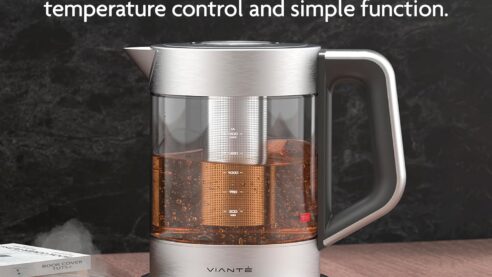
Some modern kettles use a clear glass body paired with stainless steel bases and trim. The Stainless Steel Viante Kettle features a borosilicate glass carafe with a 1.6 L capacity and a 304 stainless steel base, blending visibility with robustness.
This style lets you see the water level and boiling progress while maintaining stainless steel in parts that contact heat and the heating element.
Many users appreciate the cordless base, which makes it easy to lift and pour without dragging a cord across the counter.


Mueller Ultra Kettle
The Mueller Ultra Kettle (M99S) is another glass and steel favorite, with a 1.8 L borosilicate glass pot, 1500W heating element, and cordless base. Priced roughly between $33/$45, it focuses on fast boiling and practical features like keep warm and automatic shut off.
For households that boil water several times a day, these designs offer a useful combination: stainless steel where it counts, clear glass for visibility, and the convenience of electric heating.
5. Classic Stovetop Stainless Steel: OXO Brew and Alessi 9093
OXO Brew Classic Whistling Tea Kettle
If you prefer a traditional stovetop model, the OXO Brew Classic Whistling Tea Kettle uses brushed stainless steel with a 1.7 quart capacity. It includes a stay cool handle and a wide opening lid that simplifies filling and cleaning.
The whistle gives a clear signal when water boils, which many people still find more intuitive than indicator lights. Dishwasher safe construction on many stainless steel stovetop kettles is also a practical benefit for busy kitchens.
Alessi Kettle 9093
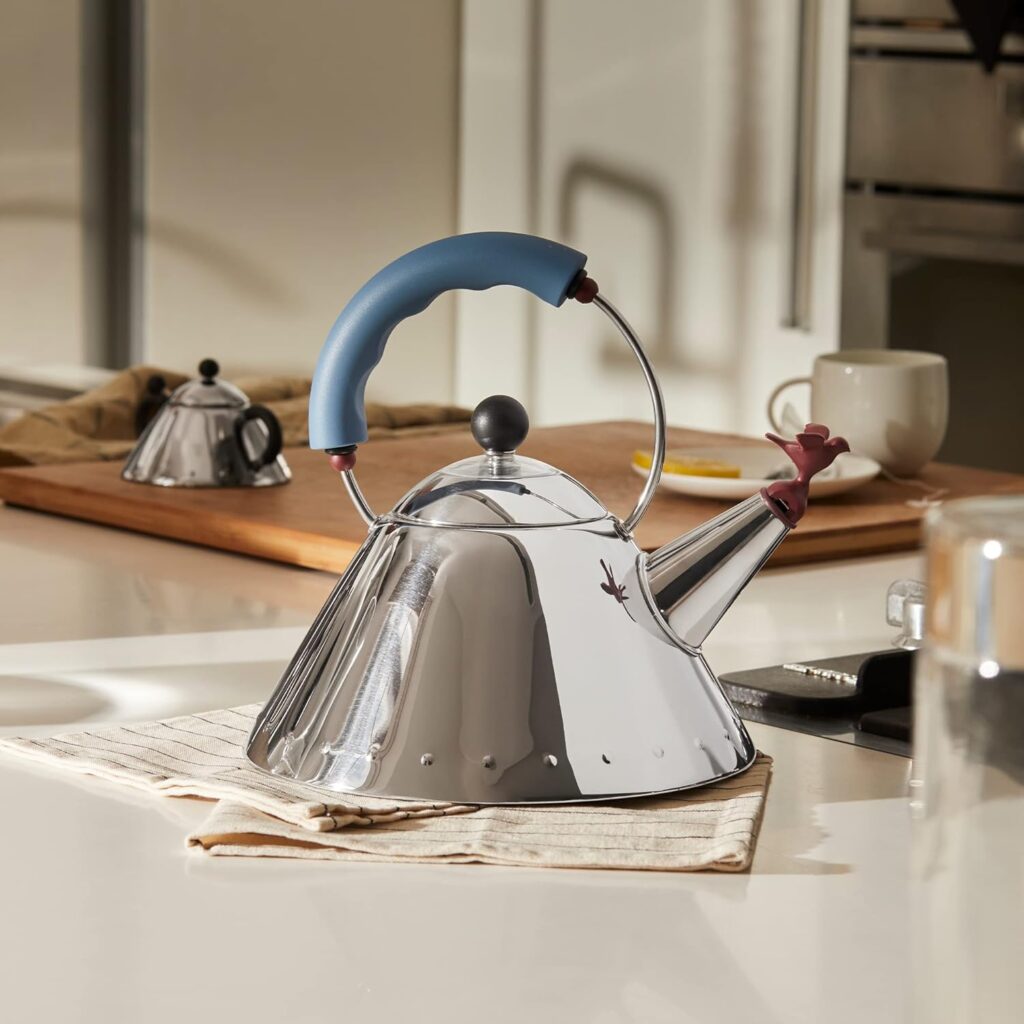
The Alessi Kettle 9093 is a well known design piece that pairs function with distinctive style. Built from 18/10 stainless steel, it features a sculpted blue handle and the iconic red bird whistle that sits on the spout.
Beyond its look, the wide base distributes heat evenly on the stove, helping the kettle reach boiling efficiently. This model suits buyers who want a durable stainless steel kettle that also acts as a design statement on the cooktop.
6. Energy Use and Efficiency in Stainless Steel Electric Kettles
Energy consumption is a real consideration if you boil water many times a day. Factors such as kettle wattage, how full you fill it, and whether you boil unused water all affect how much electricity you use.
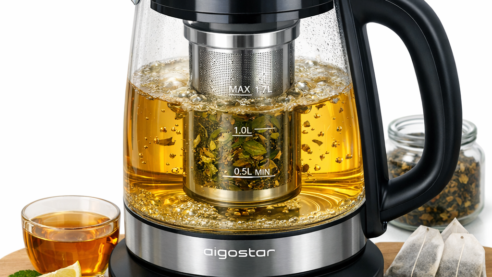
Guides focused on brands like Aigostar highlight how kettle design and user habits interact. For example, only boiling the amount of water you actually need, and using lids correctly are simple ways to reduce unnecessary energy use.
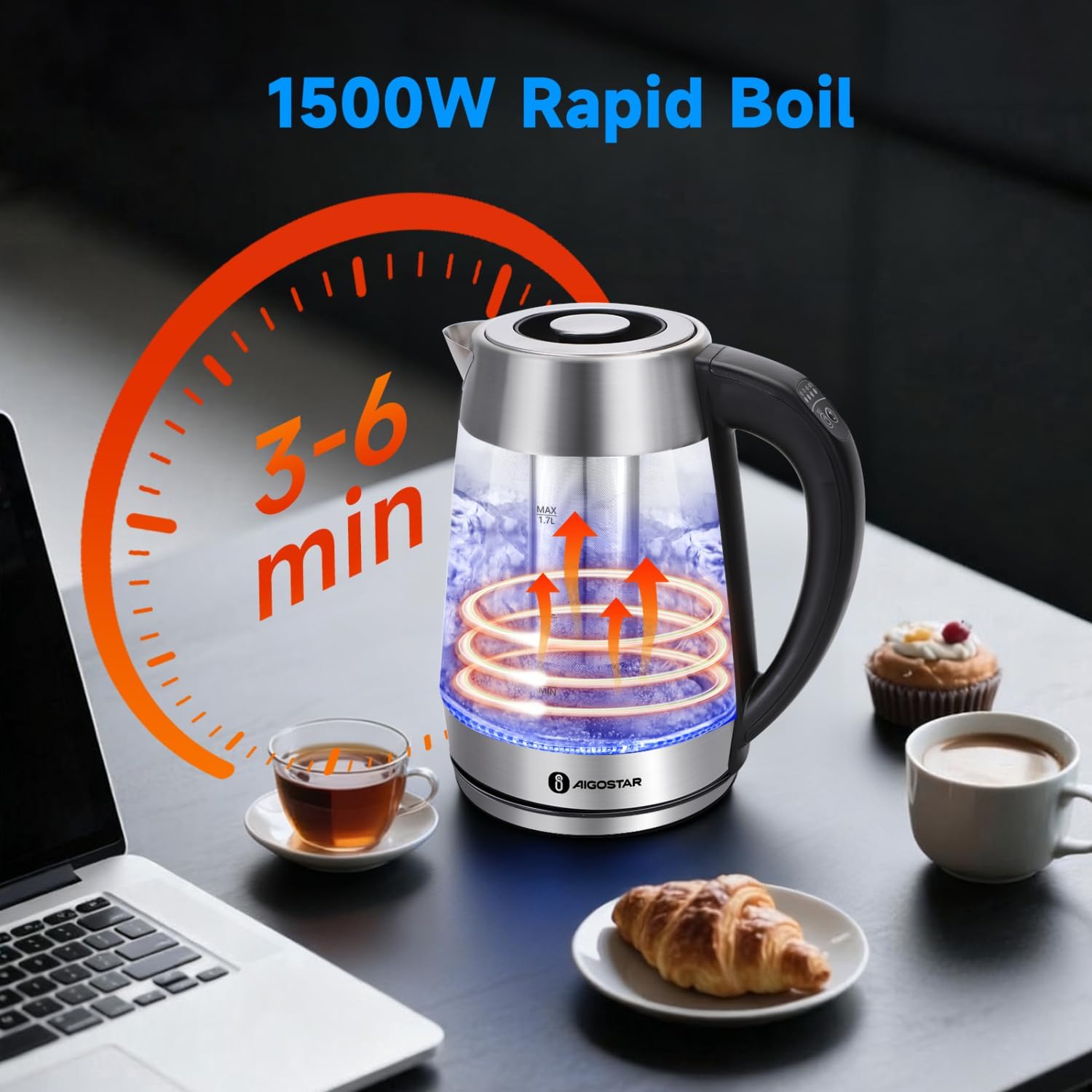
- Check wattage: Higher wattage boils faster, which can reduce how long the element runs.
- Match volume: Avoid filling to the maximum line unless you truly need that volume.
- Use auto shut off: Let the kettle stop itself as soon as it reaches boiling.
7. Replacement Parts and Longevity for Stainless Steel Kettles
One advantage of stainless steel kettles is their potential lifespan when properly maintained. While the metal body often lasts a long time, components such as handles, lids, switches, and thermostats can eventually wear out.
Some brands, including Aigostar, support their kettles with accessible replacement parts. Examples include a replacement handle around $5, lids at about $3, heating elements near $10, switches at $8, and thermostats for about $12.
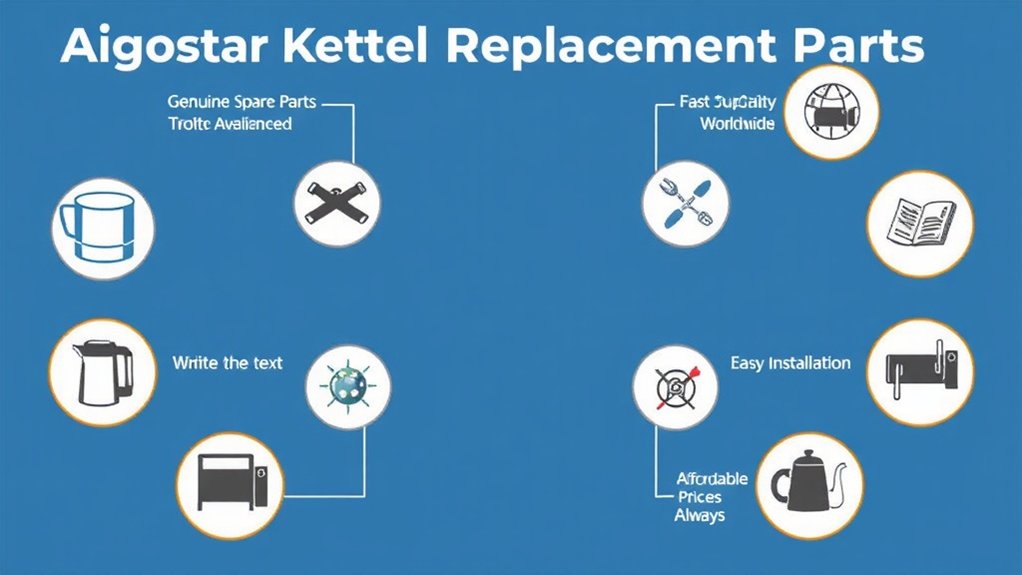
Extending the life of a stainless steel kettle with replacement parts is often more cost effective than buying a new unit, especially for higher quality bases and heating elements.
8. Safety and Everyday Use Features to Look For
Safety is central when choosing a stainless steel kettle that will live on your countertop. For electric models, auto shut off and boil dry protection help reduce risks if you get distracted while the kettle is on.
Handles that stay cool, well fitting lids, and stable bases also matter in daily use. For stovetop designs, the whistle is still a key safety feature, alerting you that water is boiling rather than letting it steam unattended.
- Electric safety: Look for clear indicator lights, automatic shut off, and protection if the kettle is switched on while empty.
- Stovetop safety: Choose kettles with firm, heat resistant handles and audible whistles.
- General: A wide, stable base and non slip feet reduce tipping risks.
9. Cleaning and Maintaining a Stainless Steel Kettle
Regular cleaning keeps a stainless steel kettle working efficiently and looking good. Limescale build up from hard water can slow heating and leave deposits inside the kettle over time.
Most households can manage with occasional descaling, wiping the exterior with a soft cloth, and ensuring the base and contacts (for electric models) are kept dry. Avoid harsh abrasives that can scratch the metal finish.
- Descale periodically according to how hard your water is.
- Empty the kettle after use instead of storing water inside for long periods.
- Check handles, lids, and gaskets for signs of wear so you can replace them if needed.
10. How to Choose the Right Stainless Steel Kettle for Your Home
To narrow down the best stainless steel kettle for your home, start with capacity and usage habits. A 1.0/1.2 L gooseneck can be ideal for individual coffee drinkers, while 1.6/1.8 L glass and steel hybrids suit families or shared kitchens.
Next, decide on heating style (electric vs. stovetop) and whether you want design driven models like the Alessi 9093 or more utilitarian options focused on speed and safety. Finally, consider ongoing support such as access to replacement parts and clear cleaning guidance.
| Priority | What to Focus On | Example Type |
|---|---|---|
| Speed | High watt electric, auto shut off | Mueller Ultra Kettle |
| Precision | Gooseneck spout, 1 L capacity | Dmofwhi 1000W Gooseneck |
| Design | Stylish handle, unique whistle | Alessi Kettle 9093 |
| Simplicity | Stovetop stainless steel body, audible whistle | OXO Brew Classic Whistling Kettle |
Conclusion
A stainless steel kettle remains one of the most practical tools you can add to your kitchen, whether you need fast boiling for busy mornings or precise pouring for careful coffee brewing.
With stainless steel now dominating the electric kettle market, you have a wide range of sizes, shapes, and designs to choose from.
By focusing on capacity, heating style, safety features, ease of cleaning, and support for replacement parts, you can select a stainless steel kettle that suits your household for many years.
From compact gooseneck electrics to iconic stovetop designs, there is a well built stainless steel option for nearly every budget and brewing habit.





Pingback: Kettle Lid Won't Close: 11 Practical Fixes to Try Before Replacing! - Stainless Steel Tea Kettles