Core Materials for Non-Toxic Kettles
- ✓ Borosilicate Glass: Durable, thermal shock resistant.
- ✓ Stainless Steel: Non-reactive, rust-resistant.
- ✓ Silicone Seals: Safe, tight fit.
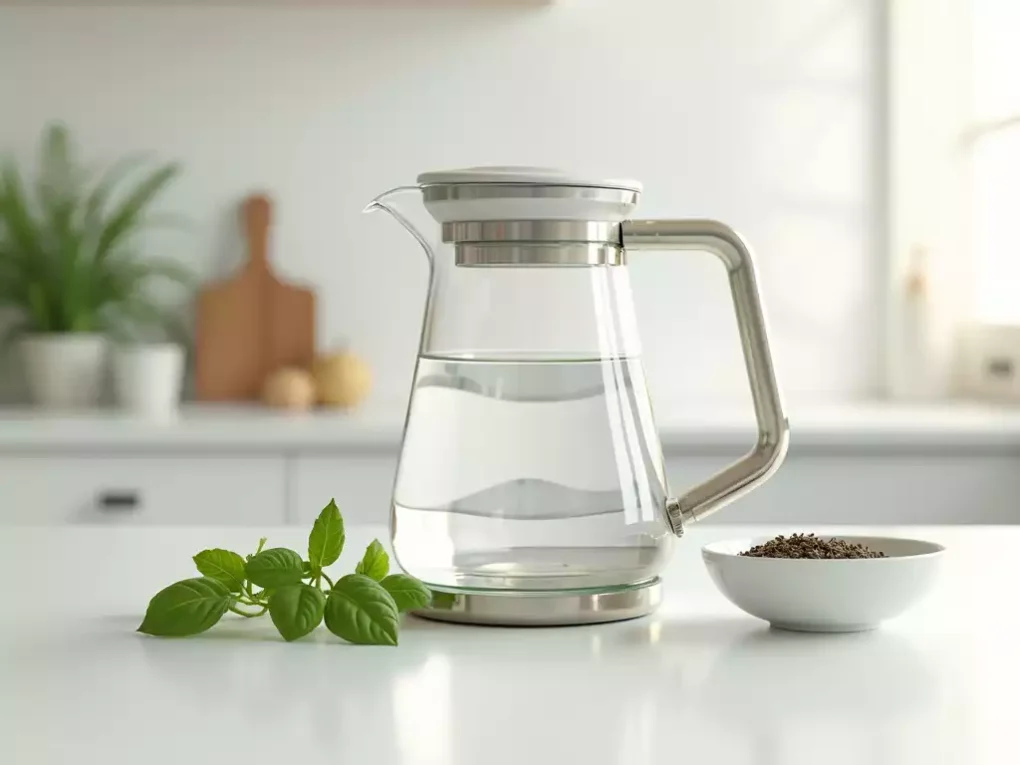
Did you know that choosing the right kettle can significantly impact your health? Non toxic glass kettles are not just a stylish choice; they are essential for ensuring safe beverages free from harmful chemicals.
This visual highlights the key advantages of non-toxic glass kettles, comparing their material benefits and safety features against plastic alternatives.
When it comes to choosing a kettle, many of us want to ensure we’re making a safe and healthy choice. That’s where non-toxic glass kettles come into play.
These kettles are constructed with materials that prioritize our health, allowing us to enjoy our favorite beverages without worry. Let’s jump right into what makes a kettle non-toxic and why you should consider making the switch!
To qualify as non-toxic, a kettle must be made from materials that do not leach harmful chemicals into the water. The most common materials used are borosilicate glass and stainless steel.
Borosilicate glass is known for its durability and resistance to thermal shock, making it a superb choice for boiling water. Stainless steel, on the other hand, is naturally resistant to rust and corrosion.
For further information on the safety of food contact materials, you can consult resources like the FDA’s guidance on Food Contact Materials, which provides detailed insights into approved substances.
By choosing kettles made from these materials, you can enjoy a cleaner, safer boiling experience. Plus, the transparency of glass allows you to see the water level and how clean your kettle is!
Making the switch from plastic to a glass kettle comes with numerous advantages. First and foremost, glass kettles are known for their purity.
Unlike plastic kettles, they do not leach chemicals, meaning your drink retains its natural flavor and quality. The aesthetic appeal of glass kettles also adds a touch of elegance to your kitchen.
In my experience, using a glass kettle has truly enhanced my tea-making ritual. There’s something special about watching the water come to a rolling boil while knowing it’s safe and clean!
For health-conscious consumers, opting for kettles that are BPA-free and lead-free is paramount. BPA (Bisphenol A) is a chemical often found in plastics that can interfere with our hormones and overall health.
By selecting a kettle that’s free of BPA, you’re making a proactive choice for your well-being. The National Institute of Environmental Health Sciences (NIEHS) provides extensive research on BPA and its potential health effects.
In the quest for a safe boiling solution, paying attention to these details can make all the difference. It’s reassuring to know that the kettle I use is not only functional but also supports a healthier lifestyle.
Did you know? When selecting a non-toxic glass kettle, look for brands that offer lifetime warranties. This not only ensures you are investing in quality but also encourages manufacturers to uphold high safety and environmental standards. A kettle that lasts a lifetime is not just a wise purchase, but also a sustainable choice!
Frequently Asked Questions About Non-Toxic Glass Kettles
A: Non-toxic kettles are primarily made from borosilicate glass and stainless steel. Borosilicate glass is favored for its durability and resistance to thermal shock, while stainless steel is non-reactive and rust-resistant. Silicone seals are also used for a safe, tight fit without chemical leaching.
A: Glass kettles offer several advantages over plastic. They do not leach harmful chemicals into your water, ensuring a pure taste. They also have an elegant design that enhances kitchen aesthetics and are easy to clean, as glass does not absorb odors or stains.
A: “BPA-free” means the kettle does not contain Bisphenol A, a chemical found in some plastics that can have adverse health effects. “Lead-free” ensures that no lead is present in the glass or other components, preventing heavy metal contamination. Both certifications are crucial for ensuring the health safety and purity of your boiled water.
A: Yes, borosilicate glass is highly durable and resistant to extreme temperature changes, making it ideal for boiling water. When combined with stainless steel components, these kettles are built for long-lasting performance and safety.
A: Choosing a glass kettle over plastic is an eco-friendly decision as it reduces plastic waste and promotes sustainability. Glass is a recyclable material, and opting for durable, long-lasting products minimizes the need for frequent replacements, further lessening environmental impact.
Summarizing the Importance of Choosing Non-Toxic Glass Kettles
Choosing a non-toxic glass kettle is not just about having a stylish kitchen accessory; it’s a vital decision for your health and safety.
As we’ve discussed, these kettles are made from materials like borosilicate glass and stainless steel, which ensure that no harmful chemicals seep into your beverages. This can make a significant difference in the quality of the water you drink every day!
For more insights into the safety standards for kitchen products, the NSF International offers valuable resources on safe kitchen product certifications.
Moreover, opting for glass kettles means you’re steering clear of plastic leaching. The lack of BPA and lead in glass kettles reinforces their safety, making them a suitable choice for health-conscious consumers.
By prioritizing these factors, you not only contribute to your well-being but also promote a healthier kitchen environment.
In summary, investing in a non-toxic glass kettle is a step towards a healthier lifestyle. With all the benefits we’ve explored, making the switch is not just wise—it’s essential for anyone who values their health and safety.
Now that you understand the importance of non-toxic glass kettles, it’s time to find the perfect one for your kitchen! I encourage you to explore the recommendations we’ve provided earlier. Each brand offers unique features and designs that cater to different preferences and needs.
Remember, sharing your experiences or asking questions in the comments can help others who are also on this journey. Let’s create a community that prioritizes health and quality in our kitchen choices!
If you’re curious about the science behind leaching or want to delve deeper into the benefits of non-toxic materials, check out these useful links. They provide detailed guides and studies that can enhance your understanding:
These resources will empower you with knowledge, ensuring you make the best choices for your health and kitchen practices.
By selecting a non-toxic glass kettle, you’re not just making a health-conscious decision; you’re also embracing eco-friendly kitchen practices!
Choosing glass over plastic contributes to reducing waste and promoting sustainability in our environment. As someone passionate about a healthier lifestyle, I personally find joy in knowing that my choices can positively impact the planet.
Incorporating non-toxic kitchenware aligns perfectly with a commitment to a more sustainable way of living.
It’s a small change that can lead to significant positive effects on both your health and the environment. So, let’s make more mindful choices together!
Here is a quick recap of the important points discussed in the article: