Why Your Stovetop Tea Kettle Whistle Is Not Working Properly
Latest Update: July 29, 2026
If your stovetop tea kettle whistle is not working properly, you are dealing with one of the most common kitchen frustrations there is, and the fix is often surprisingly cheap.
In fact, one popular repair guide on iFixit notes that clearing a clogged whistle hole with a needle and a rinse under the faucet costs exactly $0.00. That is right, no parts, no tools, no professional repair bill.
We hear from readers all the time who assume their kettle is broken beyond saving. Most of the time, it is not. A silent kettle is almost always a maintenance issue, not a manufacturing defect, and once you understand the “why,” the “how to fix it” becomes simple.
Key Takeaways
- Mineral buildup is the top culprit. Hard water deposits clog the whistle hole over time, especially in kettles used daily as part of a morning ritual.
- Most fixes cost nothing. A needle, a toothpick, or a vinegar soak resolves the majority of whistle problems at home.
- Not enough water or too-low heat can mimic a “broken” whistle. Always check water level and burner setting before assuming the worst.
- A bent or misaligned whistle cap will not seal properly against the steam vent, which silences the sound even on an otherwise perfect kettle.
- Stainless steel kettles resist corrosion far better than lower-grade metals, which is why we consistently recommend 18/8 or 304 stainless steel construction for long-term reliability. Browse our full collection of stainless steel kettles for options built to last.
- Replacement is rarely necessary. A brand-new kettle typically costs less than half of a professional repair job involving disassembly, but home cleaning solves most issues first.
- Regular descaling prevents the problem from returning. A simple vinegar soak every few months keeps the whistle mechanism clear long term.
Common Reasons Your Stovetop Tea Kettle Whistle Is Not Working Properly
Before you reach for a replacement, it helps to understand what actually makes a kettle whistle in the first place.
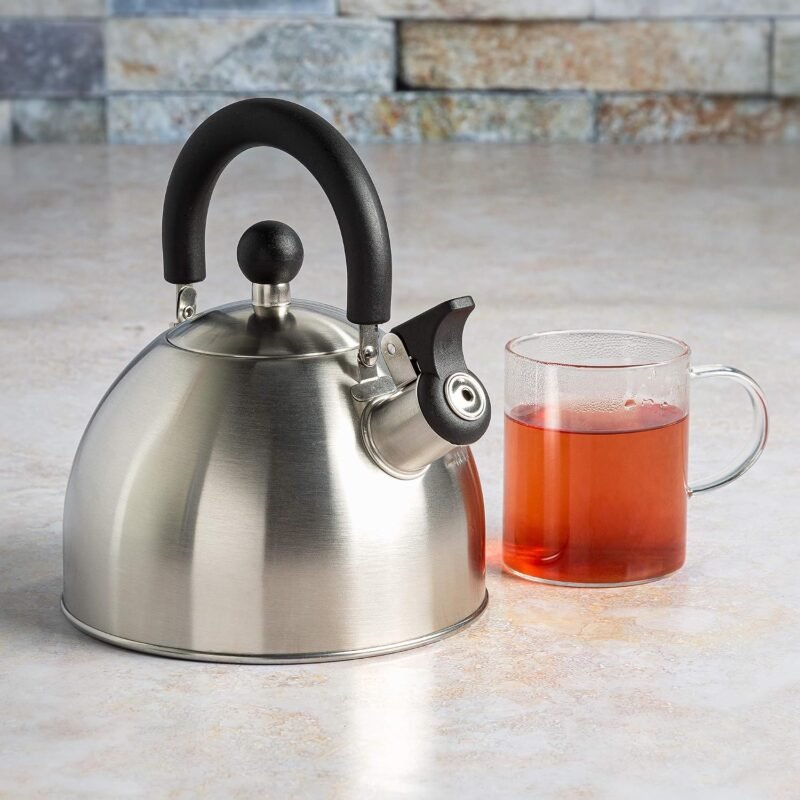
Steam builds pressure inside the kettle and is forced through a small opening in the spout cap. That opening vibrates air as steam rushes through it, producing the sound we associate with a boiling kettle.
When your stovetop tea kettle whistle is not working properly, something is interfering with that airflow. It is almost always one of these five issues:
- Mineral or scale buildup blocking the whistle hole
- A bent, loose, or misaligned whistle cap that will not seal
- Insufficient water in the kettle, which means insufficient steam
- Burner heat set too low to generate a full boil
- A damaged or cracked whistle mechanism that needs replacing
We walk through each of these below, along with the exact steps to fix them.
Mineral Buildup: The Number One Reason Your Whistling Kettle Stays Silent
Hard water leaves behind calcium and mineral deposits every single time you boil water.
Over weeks and months, those deposits accumulate around the whistle opening. Eventually, the hole becomes too narrow (or fully blocked) for steam to pass through with enough force to whistle.
This is by far the most common reason a stovetop tea kettle whistle is not working properly, and it is also the easiest one to fix.
How to Clean and Descale Your Stainless Steel Tea Kettle
Descaling is not glamorous, but it is one of the most important habits for keeping a stainless steel tea kettle whistling reliably for years.
Here is our go-to method:
- Remove the whistle cap or lid, if detachable, and inspect the opening for visible white or gray buildup.
- Soak the cap in a 50:50 solution of hot water and white vinegar for at least 20 minutes.
- Use a needle, toothpick, or soft-bristled brush to gently clear any remaining debris from the hole.
- Rinse thoroughly under running water to remove loosened mineral flakes and any lingering vinegar smell.
- Dry completely and reattach before your next boil.
For the kettle body itself, the same vinegar-and-water soak works well for interior descaling. This is especially important for anyone using their kettle daily as part of a tea aficionado’s routine, since mineral buildup accelerates with frequent use.
If you notice scale forming quickly no matter how often you clean, it may be worth switching to a stainless steel kettle with a wider spout opening, which tends to trap fewer deposits than narrow, ornate designs.
Checking the Whistle Cap and Steam Vent for Damage
Sometimes the issue has nothing to do with cleanliness at all.
If the whistle cap has been dropped, knocked loose, or slightly bent, it may no longer sit flush against the steam vent. Steam escapes around the edges instead of forcing through the whistle opening, and you get a quiet hiss instead of a sharp whistle.
Remove the cap and check that it sits evenly and clicks (or screws) back into place snugly. If it wobbles, or if you can see a visible gap when it is seated, the cap itself may need replacing rather than cleaning.
On higher-quality kettles, this part is usually a simple, inexpensive replacement rather than a reason to buy an entirely new unit.
When It’s Not the Whistle: Water Level and Heat Settings
We get a lot of questions from readers convinced their kettle is defective, only to discover the real problem is far simpler.
Not enough water means not enough steam, and not enough steam means a weak or nonexistent whistle. Always fill your kettle to at least the manufacturer’s recommended minimum line.
Low heat settings are another frequent culprit. A gentle simmer will eventually boil water, but it may not generate enough steam pressure to force a proper whistle.
Running the burner on high for the full boil time (some guides suggest up to 20 minutes on a stubborn burner) ensures you reach a rolling boil fast enough to build sufficient pressure.
If your stovetop tea kettle whistle is not working properly even with full water and high heat, that points more toward a blockage or damaged part than a technique issue.
Repair or Replace? Making the Right Call
Most of the time, cleaning solves the problem completely, and repairing a whistle cap or descaling the spout costs nothing but a little time.
But there are cases where replacement genuinely makes more sense, particularly if the kettle body itself is cracked, rusted through, or the whistle mechanism is permanently warped.
That said, a well-built stainless steel kettle should not fail this way for a very long time. One well-known account on Reddit’s BuyItForLife community reported a Le Creuset whistling kettle still performing flawlessly after more than 20 years of regular use. That is the kind of durability worth paying for upfront.
A warranty offers peace of mind here, covering potential defects or issues for a period (typically 1-several years), so it is worth checking coverage before you write off a kettle as unfixable.

Most stovetop kettle whistle failures can be diagnosed and fixed at home for free.
Choosing a Stainless Steel Tea Kettle That Whistles Reliably for Years
If you have gone through every troubleshooting step and your kettle is still silent, it may genuinely be time for a replacement. This is where material quality matters more than most people realize.
We consistently point readers toward 304 stainless steel and 18/8 stainless steel construction because these grades resist corrosion and mineral pitting far better than cheaper alternatives.
Rust-resistant materials mean fewer internal deposits over time, which means a whistle mechanism that stays clear longer.

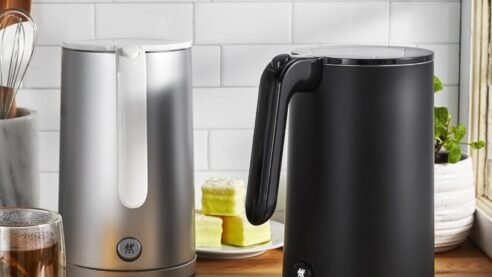
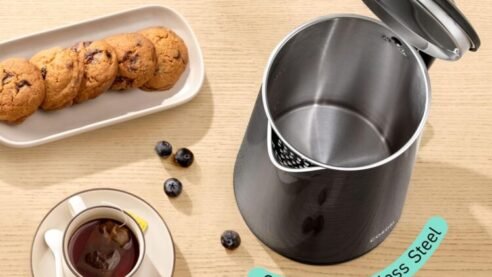
The Paris Rhone Electric Kettle sits in a category of appliances that combine speed, safety, and a design that actually looks good on your counter.
While it is an electric option rather than a traditional stovetop whistler, we mention it because readers frequently ask us for alternatives when a stovetop whistle problem becomes too frequent to manage.
For those who want to stick with the classic stovetop experience, we recommend browsing our kettle collection to compare sleek designs built specifically with wide, easy-to-clean whistle openings.
Maintenance Tips to Keep Your Whistle Working Long Term
Prevention is always easier than repair. A few simple habits keep a stovetop tea kettle whistle from failing in the first place.
- Descale every 4-6 weeks if you have hard water, or every 2-3 months with soft water.
- Empty the kettle after each use rather than letting water sit and evaporate, which concentrates minerals near the whistle opening.
- Dry the whistle cap fully before storing to prevent trapped moisture from encouraging mineral crystallization.
- Inspect the cap seal monthly for wobbling or gaps.
- Choose a rust-resistant stainless steel kettle from the start, since it will naturally resist the buildup that causes most whistle failures.
We appreciate that this kind of maintenance does not overcomplicate things. A few minutes every month is genuinely all it takes.
Curious about the brand behind these recommendations? You can read more on our About Us page, and our affiliate disclosure explains how we may earn a commission on some of the products we recommend.

Conclusion
When your stovetop tea kettle whistle is not working properly, the cause is almost always something you can fix yourself, and often for free.
Start with mineral buildup, check the whistle cap seal, confirm your water level and heat setting, and only consider replacement once you have ruled out these simpler issues.
A quality stainless steel tea kettle paired with a little routine maintenance will keep that reassuring whistle working for years, not months.
If you still have questions after working through this guide, feel free to reach out to us directly, we are always happy to help troubleshoot.
Frequently Asked Questions
Why did my stovetop tea kettle stop whistling all of a sudden?
The most common cause is mineral buildup blocking the whistle opening, which happens gradually but can seem sudden once the hole is fully clogged. Check for scale deposits first, then inspect whether the whistle cap is seated correctly.
Can I fix a kettle whistle myself, or do I need a professional?
Most stovetop tea kettle whistle problems can be fixed at home using a needle to clear the hole and a vinegar soak to dissolve mineral deposits, often at no cost at all. Professional repair is rarely necessary unless the whistle cap or kettle body is physically damaged.
How often should I descale my stainless steel kettle to prevent whistle problems?
We recommend descaling every 4-6 weeks if you have hard water, or every 2-3 months with softer water. Regular descaling is the single best way to prevent your stovetop tea kettle whistle from becoming blocked in the first place.
Is it worth repairing an old whistling kettle or should I just buy a new one?
If the kettle is otherwise in good condition, cleaning and minor repairs almost always cost less than a new kettle and less than professional repair. However, if the body is rusted, cracked, or the whistle mechanism is permanently warped, a new stainless steel kettle is usually the more practical choice.
Why does my kettle only hiss instead of whistle?
A hiss instead of a full whistle usually means steam is escaping around a loose or misaligned whistle cap rather than forcing through the designated opening. Check that the cap sits flush and snugly against the steam vent.
Does low heat affect whether a kettle whistles properly?
Yes, insufficient heat may bring water to a slow boil without generating enough steam pressure to produce a proper whistle. Always boil on high heat and make sure the kettle contains enough water to build adequate pressure.
What type of kettle is least likely to have whistle problems in 2026?
A stainless steel tea kettle made from 304 or 18/8 grade stainless steel resists corrosion and mineral pitting better than cheaper metals, making it far less likely to develop chronic whistle problems. Wide-mouth designs also tend to trap fewer deposits than narrow, ornate spouts.