Tea Kettle Boiling Time & Energy Cost Calculator
Curious how much that morning cup of tea actually costs? Our interactive tool calculates precise Tea Kettle Boiling Time and energy expenses for both electric and stovetop stainless steel kettles.

Why Calculate Boiling Time and Energy Costs?
For tea enthusiasts, the process of boiling water is a daily ritual. However, few consider the physics and financial impact behind that whistling tea kettle. Whether you are using a high-end OXO Brew Classic or a specialized copper-bottomed Chantal kettle, the time it takes to reach 100°C (212°F) is determined by thermal dynamics and power efficiency.
At Stainless Steel Tea Kettles, we believe in helping consumers make informed choices. Understanding energy consumption doesn’t just save you a few cents a day—it helps you understand the efficiency of your appliances and reduces your environmental footprint. Our calculator bridges the gap between kitchen science and household budgeting.
The Science Behind the Steam
To calculate the time it takes to boil water, we must look at the Specific Heat Capacity of water. Water requires 4,184 Joules of energy to raise the temperature of 1 kilogram (approx. 1 liter) by 1 degree Celsius.
Electric Kettle Efficiency
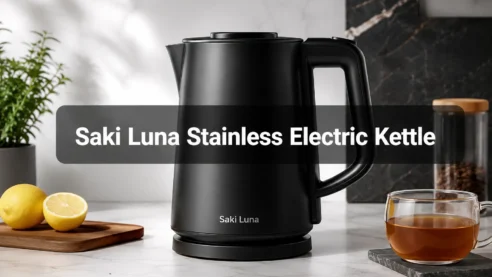
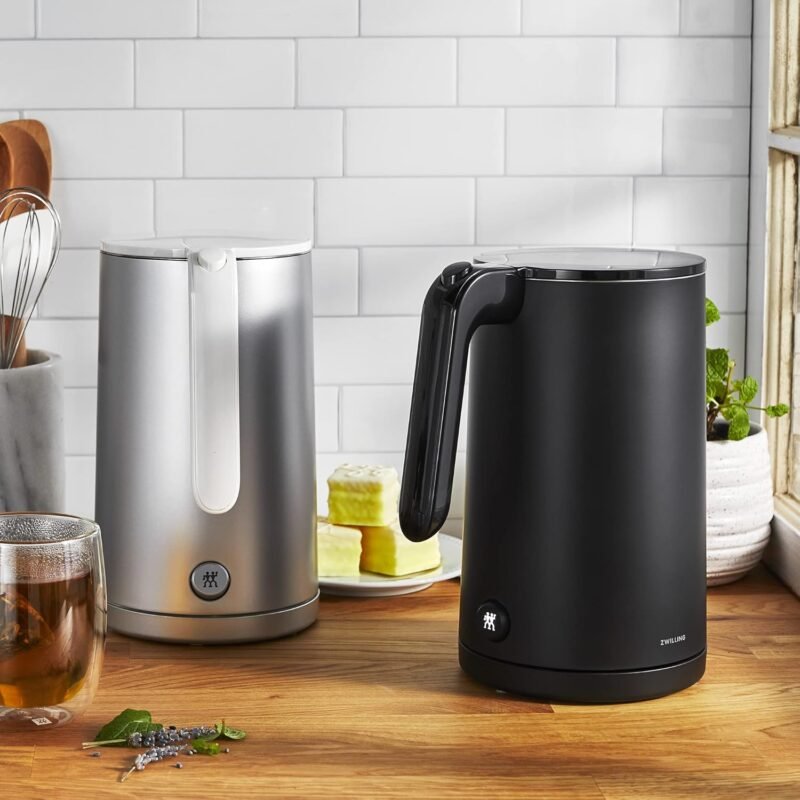
An electric stainless steel kettle is remarkably efficient because the heating element is typically in direct contact with the water. Most modern electric kettles operate at about 80-90% efficiency. In the United States, most kettles are rated between 1,500W and 1,800W. In the UK and Europe, 3,000W kettles are standard, which is why tea seems to “make itself” much faster across the Atlantic.
Stovetop Kettle Dynamics
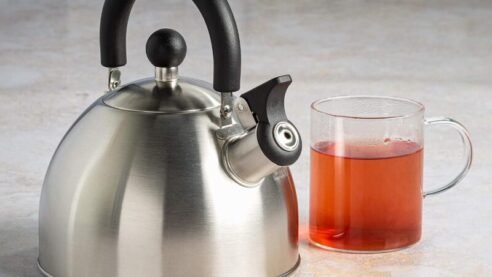
When using a stovetop kettle, efficiency drops. Gas burners often lose significant heat to the surrounding air, with efficiency ratings frequently falling between 30% and 40%. However, high-quality materials like those found in Chantal tea kettles or Pykal models are designed with multi-ply bases to maximize heat absorption and retention.
| Method | Average Power | Est. Efficiency | Time to Boil 1L |
|---|---|---|---|
| Electric Kettle (US) | 1500W | 85% | ~4.5 Minutes |
| Electric Kettle (UK) | 3000W | 85% | ~2.2 Minutes |
| Induction Cooktop | 2000W | 80% | ~4 Minutes |
| Gas Stovetop | ~10,000 BTU | 35% | ~6-8 Minutes |
How Energy Costs Add Up
While a single boil costs only pennies, the cumulative cost of a multi-cup-a-day habit is worth noting. Based on an average US electricity rate of $0.15 per kWh:
- Per Boil (1.5L): Approximately $0.02 – $0.03.
- Daily (3 Boils): $0.09.
- Monthly: ~$2.70.
- Annually: ~$32.85.
If you use a stovetop on a gas range, the costs may vary based on local natural gas prices, which are often cheaper per unit of energy but less efficient in delivery. For those seeking the most economical route, choosing a highly efficient whistling kettle with a wide base can help capture more heat from the flame.
Choosing the Right Kettle for Your Needs
If speed and energy cost are your primary concerns, we recommend exploring our reviews of various stainless steel options. For those who prefer the traditional aesthetic, the OXO Good Grips Uplift offers a balance of ergonomic design and heat efficiency. If you are looking for durability and classic whistling, the Mr. Coffee Whistling Kettle is a budget-friendly entry point.
For more premium options, stainless steel designs like the Susteas Tea Kettle or the Belanko models provide larger capacities (often up to 2.5 or 3 liters), which are great for families but require more energy to reach a boil if filled to the brim.
Frequently Asked Questions
Does a stainless steel kettle boil faster than glass or ceramic?
Stainless steel generally conducts heat more effectively than ceramic or glass. High-quality stainless steel teapots and kettles often feature aluminum or copper cores in the base to further accelerate the heating process.
Is it cheaper to boil water in a microwave or a kettle?
In most cases, an electric kettle is more efficient and cheaper than a microwave. Microwaves lose energy during the conversion of electricity into radio waves, whereas a kettle heating element transfers energy directly to the water.
Why is my kettle taking longer to boil than usual?
Limescale buildup (calcium deposits) is the most common culprit. Limescale acts as an insulator on the heating element. Regular descaling is essential for maintaining energy efficiency. If your kettle has stopped whistling, check our guide on why tea kettles stop whistling.
Does altitude affect boiling time?
Yes. At higher altitudes, atmospheric pressure is lower, meaning water boils at a lower temperature (e.g., ~92°C in Denver vs 100°C at sea level). This results in faster “boiling” times, though the water isn’t as hot as it would be at sea level.
Are 3000W kettles safe to use in the US?
Standard US household outlets are usually 110-120V, which limits most kettles to 1500W-1800W. A 3000W kettle requires a 220-240V circuit, common in Europe but typically only used for large appliances like dryers or ovens in the US.
Ready to Upgrade Your Tea Game?
Explore our comprehensive guides and reviews to find the perfect stainless steel kettle for your kitchen.
Read Our Buying GuideCheck out more specialized reviews: Chefbar | Foedo | Rettberg